

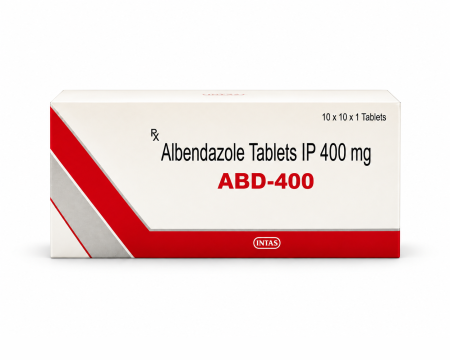
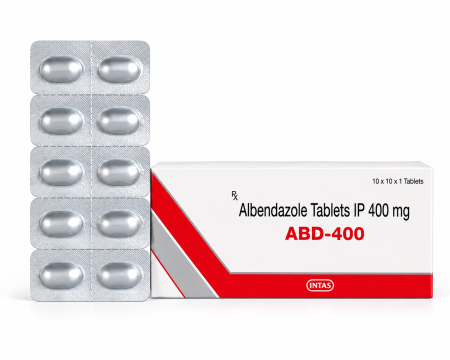


Drug Info
- Brand Name: Albenza
- Active Ingredient: Albendazole
- Manufacturer: Amneal Pharmaceuticals LLC
Albenza and its active substance, Albendazole
Albendazole is converted in the liver to albendazole sulfoxide, the active metabolite that circulates systemically and penetrates cysts and tissues. At the parasite level, albendazole binds β-tubulin and inhibits microtubule polymerization. This blocks glucose uptake and depletes glycogen, crippling ATP production and altering parasite cytoskeleton-dependent functions (motility, nutrient transport, cell division). The result is a slow but decisive loss of parasite viability.
Pharmacokinetically, oral bioavailability is enhanced by fat; taking the dose with food—preferably a fatty snack—raises albendazole sulfoxide exposure. The metabolite distributes well into CNS and cyst fluid, a key reason albendazole is useful in neurocysticercosis. Hepatic metabolism and biliary/renal excretion follow. With prolonged or high-dose regimens, clinicians typically monitor liver enzymes and blood counts at baseline and at intervals during therapy.
Indications for use
Use is determined by the prescriber according to regional labeling and clinical judgment. Common indications include:
- Neurocysticercosis due to Taenia solium (with appropriate anticonvulsants/steroids)
- Hydatid disease (echinococcosis) due to Echinococcus granulosus or E. multilocularis (medical and/or peri-operative)
- Intestinal nematodes where albendazole is appropriate (regional labeling varies): ascariasis, trichuriasis, hookworm, enterobiasis (pinworm), strongyloidiasis, and others per guidelines
- Other helminthic infections (e.g., cutaneous larva migrans, selected tapeworm infections) as directed by a specialist
Treatment regimens and dosages
Use Albenza exactly as prescribed. Representative adult regimens (pediatric dosing is weight-based; clinicians adjust by age/weight and indication):
- Neurocysticercosis: 400 mg twice daily with food for 8–30 days, depending on lesion number/location and regional practice. Co-administer anticonvulsants; corticosteroids may be used to control inflammatory reactions. Funduscopic exam is often performed before therapy to assess for ocular cysts.
- Hydatid disease (Echinococcus): 400 mg twice daily with food in 28-day cycles separated by 14-day drug-free intervals; often 3 cycles total, individualized around surgery or PAIR procedures.
- Ascariasis / Hookworm / Pinworm (enterobiasis): single 400 mg dose with food; some cases need repeat dosing after 2–3 weeks per local guidance.
- Trichuriasis (whipworm): 400 mg once daily for 3 days (or single 400 mg dose per local protocols).
- Strongyloidiasis: 400 mg once daily for 3–7 days; some patients require longer or alternative agents—specialist oversight advised.
General rules:
- Take doses with a fatty meal to enhance absorption.
- Do not exceed the prescribed dose or duration.
- For prolonged/high-dose courses, clinicians routinely monitor liver enzymes and complete blood counts.
- Pediatric use is typically for children ≥2 years; dosing is ~15 mg/kg/day in two divided doses (max 800 mg/day) for tissue infections—prescriber directed.
Recommendations for use
Swallow tablets with food; if swallowing is difficult, some presentations may be chewed or crushed and taken with a small fatty snack (follow local product instructions). Keep a simple log of doses, meals, and symptoms (fever, headache, abdominal pain, visual changes, seizures, rash). During neurocysticercosis treatment, report any worsening neurologic symptoms promptly—these can reflect inflammatory responses to dying cysts and may require steroid adjustment. Avoid alcohol excess; it complicates interpretation of liver tests. Maintain good hygiene (hand-washing, nail care, laundering of bed linens) to limit reinfection and household spread for enteric parasites.
Missed Dose
If you miss a dose during a multi-day regimen, take it when remembered unless it is close to the next dose. Do not double the next dose. For single-dose regimens, contact your clinician if the dose was missed to arrange re-dosing.
Precautions
- Hepatic effects: transaminase elevations can occur—baseline and periodic LFTs are recommended for courses beyond a few days or at higher doses. Stop and seek care for jaundice, dark urine, or persistent upper-abdominal pain.
- Bone-marrow suppression: rare neutropenia/pancytopenia—periodic CBC monitoring is standard in long courses or if symptoms (fever, bruising) arise.
- Neurocysticercosis reactions: dying cysts can provoke inflammation with headache, seizures, raised ICP—co-treat with anticonvulsants; steroids may be required.
- Retinal disease risk: evaluate for ocular cysticercosis before therapy when suspected; treating ocular cysts can risk vision-threatening inflammation.
- Hypersensitivity: discontinue if rash, hives, facial swelling, or wheeze occurs.
- Hepatic/biliary disease: use with caution and close monitoring.
- Driving/hazardous tasks: dizziness or headache may occur—assess your response before such activities.
Use during pregnancy
Albendazole is contraindicated in pregnancy, especially during the first trimester. For women of childbearing potential, many protocols require a negative pregnancy test before starting and effective contraception during therapy and for at least 1 month after the final dose in tissue-infection regimens. Breastfeeding decisions are individualized; discuss risks/benefits with your clinician.
Possible side effects
- Common: abdominal pain, nausea, vomiting, diarrhea, headache, dizziness.
- With prolonged/high-dose courses: reversible hair thinning, elevated liver enzymes, fatigue, mild fever.
- Serious (seek medical attention): persistent high fever, severe abdominal pain, marked jaundice or dark urine, unexplained bruising/bleeding, severe rash, seizures or vision changes during neurocysticercosis treatment.
Record onset, severity, and relation to dose/meals; this helps clinicians decide on monitoring, dose adjustments, or adjunctive therapy.
Albendazole: interaction with other drugs
- CYP inducers (e.g., phenytoin, carbamazepine, phenobarbital, rifampin): may lower albendazole sulfoxide exposure—efficacy can decrease.
- CYP inhibitors / exposure boosters (e.g., cimetidine, praziquantel, dexamethasone): may increase albendazole sulfoxide levels—clinician monitors for toxicity and may adjust plans.
- Warfarin and other coumarins: possible potentiation of anticoagulation—INR monitoring/adjustment may be required.
- Grapefruit and strong inhibitors: theoretically increase exposure—avoid unless your clinician advises otherwise.
Always provide a complete list of prescription/OTC medicines, vitamins, and herbal products.
Analogs & Generics
Same active ingredient (albendazole — international examples)
- Zentel (albendazole) — widely used brand in many regions
- Albendazole tablets (Teva, Sandoz/Hexal, Accord/Actavis, Aurobindo/Cipla/Sun) — common 200 mg and 400 mg presentations
- Eskazole/Alworm/Wormnil (regional albendazole brands)
Drug analogs (different active ingredient, same purpose — anthelmintics selected by species)
- Mebendazole (e.g., Vermox) — broad intestinal nematodes
- Ivermectin — strongyloidiasis and other nematodes (per guidelines)
- Praziquantel — schistosomes and tapeworms
- Niclosamide — tapeworms in selected settings
- Pyrantel pamoate — pinworm/roundworm per local protocols
Storage
Store at 15–25°C in a dry place away from direct heat and sunlight. Keep tablets in the original packaging and out of the reach of children. Do not use after the expiry date printed on the pack.
Customer Experience – What to Expect
For intestinal worms, many patients notice improvement within 24–72 hours (less abdominal discomfort or itching, normalized stools). A repeat dose may be scheduled to address residual eggs/larvae. For tissue infections, benefits are gradual over weeks, and temporary headaches or fever can occur as cysts die—your clinician may use steroids to keep inflammation controlled. With longer courses, patients often feel reassured by regular LFT/CBC checks and simple routines (taking with a fatty snack, keeping a symptom diary). If new neurologic signs or visual changes appear, contact your care team immediately.
FAQ
Do I take Albenza with food?
Yes—with a fatty meal to improve absorption, especially for tissue infections.
Is a single dose enough for pinworm or roundworm?
Often yes (e.g., 400 mg once), but some cases require a repeat dose in 2–3 weeks. Follow your clinician’s instructions and household hygiene advice.
Why do I need steroids for neurocysticercosis?
As cysts die, inflammation can flare. Corticosteroids help control symptoms and protect brain tissue.
What tests do I need on longer courses?
Typically liver enzymes and blood counts at baseline and at intervals; your clinician will schedule them.
Can I take Albenza during pregnancy?
No. It is contraindicated, particularly in the first trimester. Use effective contraception and discuss timing with your clinician.
What if I’m on phenytoin or carbamazepine?
These can lower albendazole levels; your clinician may adjust therapy or choose alternatives.
The best offer for Albenza online on the market
Right now you can buy Albenza in our online pharmacy. If you are looking for the best place to order Albenza or other medicines containing albendazole, then you have come to the right place.
Advantages of our pharmacy:
- Confidentiality. Most people prefer to keep antiparasitic treatment private. By ordering Albenza online, you avoid unnecessary face-to-face discussions.
- Price. Buying Albenza online is more beneficial than purchasing at a clinic or local pharmacy.
- Quantity. Doctors often issue a prescription for one or two packs. Our pharmacy allows you to buy the required number of Albenza packs to ensure an adequate supply.
- Convenience. You make a purchase at a convenient time for you, without sacrificing service or security. You do not need to make an appointment or visit a clinic.
- Information. On our website, you can find details on dosage, side effects, safe use, and other information necessary for treatment.
We work hard to provide the best possible customer service and to ensure that our medications help eradicate helminth infections safely and effectively under medical supervision.









