



Drug Info
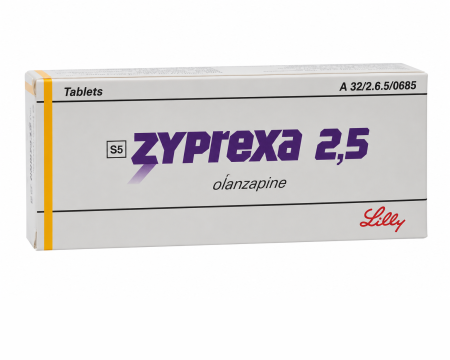
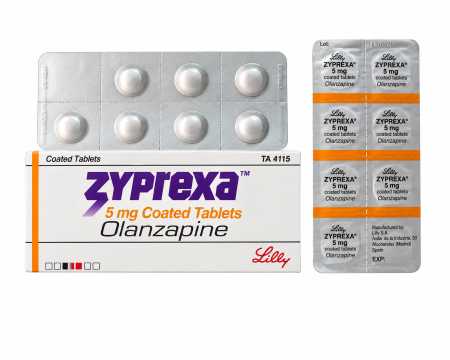
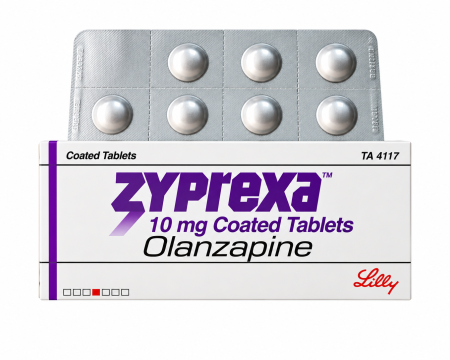
- Brand Name: Zyprexa
- Active Ingredient: Olanzapine
- Manufacturer: Eli Lilly and Company
Zyprexa and its active substance, Olanzapine
Olanzapine modulates dopaminergic and serotonergic signaling. It antagonizes dopamine D₂ and serotonin 5-HT₂A receptors, with additional affinity for 5-HT₂C/6, D₁–D₄, H₁ histamine, and α₁-adrenergic receptors. This receptor profile contributes to antipsychotic and antimanic efficacy, low acute EPS at typical doses, and side-effect patterns (sedation via H₁, orthostatic symptoms via α₁, appetite/weight changes via 5-HT₂C/H₁).
After oral dosing, olanzapine is well absorbed, reaching peak levels in 5–8 hours (ODT and standard tablets have similar systemic exposure). It is extensively metabolized in the liver—primarily via UGT glucuronidation and CYP1A2 oxidation (with a minor CYP2D6 contribution). Smoking induces CYP1A2 and can lower exposure; fluvoxamine and some quinolones (e.g., ciprofloxacin) inhibit CYP1A2 and can increase olanzapine levels. The elimination half-life averages 21–54 hours (longer in the elderly and non-smokers), supporting once-daily dosing.
Indications for use
Use is determined by the prescriber according to regional labeling and individual assessment:
- Schizophrenia in adults (acute treatment and maintenance)
- Bipolar I disorder — acute manic or mixed episodes (monotherapy or with lithium/valproate) and maintenance treatment
- Olanzapine + fluoxetine combination (separate product) may be chosen by clinicians for depressive episodes associated with bipolar disorder or treatment-resistant depression; Zyprexa alone is not indicated as an antidepressant.
Treatment regimens and dosages
Use Zyprexa exactly as prescribed. Representative adult oral schedules (clinician-directed; adjust gradually in 5 mg steps no more often than once every 24 hours):
- Schizophrenia: start 5–10 mg once daily; typical target 10 mg/day. Range 5–20 mg/day based on response/tolerability.
- Bipolar I mania/mixed — monotherapy: start 10–15 mg once daily; range 5–20 mg/day.
- Bipolar I mania/mixed — with lithium or valproate: start 10 mg once daily; titrate to effect (usual 5–20 mg/day).
- Elderly/debilitated, hepatic impairment, or risk of hypotension: consider 5 mg/day start with slow titration.
Administration: once daily, at the same time (evening dosing can reduce daytime sedation). Zyprexa Zydis ODT dissolves on the tongue without water; exposure is similar to standard tablets.
Recommendations for use
- Establish a fixed daily routine (dose time, sleep schedule, meals).
- Track weight, waist circumference, and keep appointments for fasting glucose/HbA1c and lipids.
- Maintain regular physical activity and a balanced diet to minimize weight and metabolic changes.
- Avoid alcohol and recreational sedatives; they increase drowsiness and impair judgment.
- Do not stop suddenly unless directed—abrupt changes can cause symptom return or withdrawal-like effects (nausea, insomnia, rebound agitation).
- If you smoke or quit smoking, inform your clinician—dose may require adjustment.
Missed Dose
Take the missed dose when remembered the same day. If it is almost time for the next dose, skip the missed one. Do not double doses. If multiple doses are missed, contact your clinician for advice on a safe restart.
Precautions
- Boxed warning (class): increased mortality in elderly patients with dementia-related psychosis; Zyprexa is not approved for this use.
- Metabolic effects: weight gain, hyperglycemia/diabetes, dyslipidemia—baseline and periodic monitoring are essential. Seek care for excessive thirst/urination, unexplained fatigue, or rapid weight change.
- Sedation & orthostatic hypotension: caution with driving or hazardous tasks until you know your response; rise slowly from sitting/lying positions.
- Anticholinergic effects: dry mouth, constipation, blurred vision; manage hydration and fiber intake—report severe constipation.
- Extrapyramidal symptoms and tardive dyskinesia: risk exists, especially with long-term use; report new tremor, stiffness, restlessness, or involuntary movements.
- Neuroleptic malignant syndrome (NMS): rare, life-threatening rigidity, fever, confusion, autonomic instability—seek urgent care.
- Seizure risk: use caution in patients with seizure disorders.
- Temperature regulation: antipsychotics can impair heat dissipation—avoid overheating and stay hydrated.
- Hepatic considerations: transaminase elevations may occur; clinicians monitor as indicated.
- Falls: sedation/orthostasis increase fall risk, especially in older adults.
Use during pregnancy
Use is individualized. Antipsychotic exposure in the third trimester may be associated with neonatal EPS/withdrawal (agitation, abnormal tone, feeding difficulties); neonatal monitoring may be required. Discuss family planning—do not stop abruptly if pregnant; clinicians balance maternal stability and fetal considerations. During breastfeeding, olanzapine is excreted in low amounts; decisions are individualized with infant monitoring for sedation or feeding issues.
Possible side effects
- Common: sleepiness, increased appetite, weight gain, dizziness, dry mouth, constipation, peripheral edema.
- Metabolic: increased blood glucose and lipids, possible insulin resistance.
- Neurologic: akathisia (restlessness), tremor, rigidity (less frequent than with typical antipsychotics at usual doses).
- Cardiovascular: orthostatic hypotension, tachycardia.
- Other: elevated prolactin (usually mild), increased liver enzymes, rash.
- Serious—seek medical attention: signs of NMS, severe hyperglycemia (confusion, excessive thirst), suicidal thoughts, severe allergic reaction, persistent orofacial movements (possible tardive dyskinesia).
Olanzapine: interaction with other drugs
- CYP1A2 inhibitors (e.g., fluvoxamine, ciprofloxacin): may increase olanzapine levels—dose reduction may be needed.
- CYP1A2 inducers (e.g., smoking, carbamazepine): may decrease levels—dose increases may be considered.
- CNS depressants (benzodiazepines, alcohol, opioids): additive sedation; avoid alcohol and use combinations only as prescribed.
- Antihypertensives: additive hypotension—monitor BP when starting or adjusting doses.
- Dopamine agonists/levodopa: antipsychotics can antagonize their effect.
- QT-prolonging drugs: although olanzapine has a modest QT effect, caution with other QT-prolonging agents and in electrolyte disturbances.
Always provide your clinician with a full list of prescription/OTC medicines and supplements.
Analogs & Generics
Same active ingredient (olanzapine — international examples)
- Olanzapine tablets (Teva) — multiple strengths including ODT
- Olanzapine tablets (Sandoz/Hexal) — film-coated and ODT
- Olanzapine tablets (Viatris/Mylan) — common strengths
- Olanzapine tablets (Accord/Actavis) — region-specific packs
- Olanzapine tablets (Dr. Reddy’s/Aurobindo/Lupin)** — widely used generics
Drug analogs (different active ingredient, same therapeutic purpose — antipsychotics for schizophrenia/bipolar)
- Risperidone — schizophrenia, bipolar maintenance; higher prolactin risk
- Quetiapine — schizophrenia, bipolar depression/mania; more sedation at higher doses
- Aripiprazole — partial D₂ agonist; lower metabolic burden for some patients
- Paliperidone — active metabolite of risperidone; extended-release options
- Clozapine — for treatment-resistant schizophrenia; requires blood monitoring
Storage
Store at 15–25°C in a dry place away from heat and sunlight. Keep tablets/ODT in the original packaging and out of the reach of children. Do not use after the expiry date printed on the blister/carton.
Customer Experience – What to Expect
Many patients notice calmer thoughts and improved sleep within 1–2 weeks; reductions in hallucinations, delusions, and manic energy typically develop over 2–6 weeks, with continued stabilization as the dose is optimized. Sleepiness and increased appetite are the most commonly reported early effects; shifting dosing to evening, planning balanced meals, and regular activity help. Families often report steadier daily routines and fewer crises once adherence is consistent and follow-ups are maintained. Keep a simple log of dose time, sleep, appetite, weight, and mood/energy to support precise titration.
FAQ
Is Zyprexa sedating?
It can be. Evening dosing and avoiding alcohol/other sedatives usually improve daytime alertness.
Will I gain weight?
Weight gain is common. Early attention to diet, activity, and regular monitoring of weight, glucose, and lipids reduces long-term risk.
What if I smoke?
Smoking can lower olanzapine levels (CYP1A2 induction). Tell your clinician if you start or stop smoking.
Can I drive?
Assess your own response—avoid driving until you know how Zyprexa affects alertness and reaction time.
How long do I need to take it?
Maintenance is typically long-term after stabilization to reduce relapse risk; plans are individualized.
Can I use it for depression?
Zyprexa alone is not an antidepressant. Some patients may receive an olanzapine + fluoxetine combination under specialist care.
The best offer for Zyprexa online on the market
Right now you can buy Zyprexa in our online pharmacy. If you are looking for the best place to order Zyprexa or other medicines containing olanzapine, then you have come to the right place.
Advantages of our pharmacy:
- Confidentiality. Most people prefer to keep mental-health treatment private. By ordering Zyprexa online, you avoid unnecessary face-to-face discussions.
- Price. Buying Zyprexa online is more beneficial than purchasing at a clinic or local pharmacy.
- Quantity. Doctors often issue a prescription for one or two packs. Our pharmacy allows you to buy the required number of Zyprexa packs to ensure an adequate supply.
- Convenience. You make a purchase at a convenient time for you, without sacrificing service or security. You do not need to make an appointment or visit a clinic.
- Information. On our website, you can find details on dosage, side effects, safe use, and other information necessary for treatment.
We work hard to provide the best possible customer service and to ensure that our medications help manage schizophrenia and bipolar disorder safely and effectively under medical supervision.









