

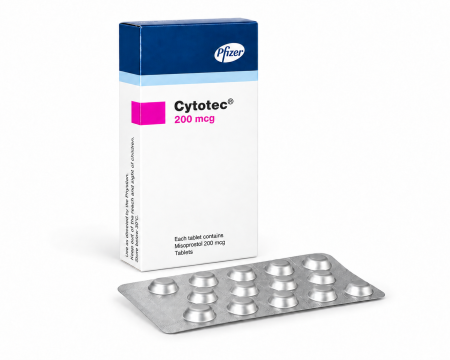


Drug Info
- Brand Name: Cytotec
- Active Ingredient: Misoprostol
- Manufacturer: Pfizer Inc.
Active substance Misoprostol
Misoprostol is rapidly de-esterified to misoprostol acid, which binds to prostaglandin receptors in the gastrointestinal tract. This activates cytoprotective processes: increased secretion of mucus and bicarbonate, improved mucosal blood flow, and enhanced epithelial restitution. These effects strengthen the mucosal barrier and help the lining resist injury from acid, pepsin, and mechanical factors. Misoprostol also produces a modest reduction in basal and postprandial acid output, but its primary role in this context is mucosal protection rather than strong acid suppression.
After oral administration, absorption is prompt, and clinically relevant effects are achieved when the drug is taken multiple times per day with meals and at bedtime. The most frequent dose-related adverse effect is diarrhea or loose stools. Administration with food, adequate hydration, and avoidance of magnesium-containing antacids improve tolerability for many patients. If gastrointestinal adverse effects persist, prescribers may reduce the per-dose amount while maintaining dosing frequency, then reassess symptoms after several days.
Misoprostol has uterotonic properties and can induce uterine contractions. Therefore, it is contraindicated for gastroprotective use during pregnancy. Women of childbearing potential should use effective contraception during treatment and contact a clinician promptly if menstruation is delayed or unexpected bleeding occurs. Clinical decisions about initiating, adjusting, or discontinuing therapy are individualized and should be guided by the prescribing professional.
Indications for use
- Prevention of NSAID-induced gastric ulcers in at-risk adults who require ongoing NSAID therapy, as part of a clinician-directed plan
- Adjunctive use in regimens for gastric or duodenal ulcers when considered appropriate by the prescriber, usually together with other modalities such as acid suppression and, where applicable, H. pylori eradication
Treatment regimens and dosages
Use Cytotec exactly as prescribed. Typical adult schedules include:
- NSAID ulcer prevention: 200 mcg four times daily with meals and at bedtime. If this dose is not tolerated due to gastrointestinal adverse effects, some patients receive 100 mcg at each dosing time while maintaining the same frequency.
- Ulcer regimens: total daily doses of 800 mcg divided with meals and at bedtime for a prescriber-specified duration, often in combination with other agents.
Tablets are swallowed with water. Mealtime administration supports tolerability and aligns mucosal protection with periods of higher physiological stress. Do not change the dose, frequency, or duration without medical advice. If significant diarrhea or cramping occurs, contact the prescriber; dose adjustment or timing changes may be recommended. Dose selection in older adults or frail patients may begin at the lower end of the range, with careful monitoring.
Recommendations for use
Maintain a regular schedule: breakfast, lunch, dinner, and bedtime. Keep hydration steady through the day. If an antacid is needed for breakthrough symptoms, avoid magnesium-containing products because they can exacerbate diarrhea; ask the clinician to recommend an alternative and timing relative to misoprostol. Dietary measures may improve comfort: smaller meals, reduced intake of foods that personally aggravate symptoms, moderation of alcohol, and avoidance of late heavy meals. For patients on long-term NSAIDs, reviewing the analgesic plan, the lowest effective dose, and non-pharmacological supports with the prescriber can further lower gastrointestinal risk.
Missed Dose
If a dose is missed, take it when remembered unless it is close to the next scheduled dose. Do not double the next dose. Resume the usual schedule and inform the clinician if multiple doses are missed or if symptoms worsen.
Precautions
- Pregnancy: contraindicated for gastroprotective use due to uterine effects; see section “Use during pregnancy.”
- Gastrointestinal conditions: monitor carefully in patients prone to dehydration or with inflammatory bowel disease; persistent diarrhea requires medical review.
- Comorbidities: clinicians consider cardiovascular, renal, and hepatic status when selecting dose and monitoring response.
- Older adults: initiate at cautious doses and titrate based on tolerability.
- Activities requiring alertness: misoprostol is not typically sedating, but any new medicine can cause unexpected effects in some individuals; defer hazardous tasks if unwell after a dose.
Use during pregnancy
Do not use Cytotec for gastroprotection during pregnancy. Misoprostol can induce uterine contractions and is associated with pregnancy loss and fetal risk in this setting. Women of childbearing potential should use reliable contraception while taking misoprostol. If pregnancy is suspected (missed period or unexpected bleeding), stop the medicine and contact a clinician immediately. Decisions regarding use during breastfeeding are individualized; discuss benefits and risks with the prescriber.
Possible side effects
Gastrointestinal effects are the most common and often dose-related.
- Common: diarrhea, abdominal cramping, nausea, flatulence, headache.
- Less common: vomiting, dizziness, skin rash.
- Gynecologic: uterine cramping or spotting in women of childbearing potential; persistent or heavy bleeding requires assessment.
Seek medical attention for severe dehydration, continuous abdominal pain, signs of hypersensitivity (facial swelling, wheeze, widespread rash), or other symptoms identified by the clinician as requiring urgent care. If adverse effects occur, record timing relative to meals and doses; this information assists dose or schedule adjustments.
Misoprostol: interaction with other drugs
- Antacids: avoid magnesium-containing antacids due to additive risk of diarrhea; request a suitable non-magnesium alternative and timing advice.
- NSAIDs: misoprostol is used alongside NSAIDs for mucosal protection; do not change NSAID dose or frequency without prescriber input.
- Acid suppressants: proton pump inhibitors and H2-receptor antagonists may be co-prescribed; follow timing and duration instructions.
- Other medicines: always provide a complete list of prescription and over-the-counter medicines, vitamins, and herbal supplements to the clinician to ensure a coherent regimen.
Analogs & Generics
Same active ingredient (misoprostol — international examples)
- Misoprostol tablets (Teva) — 100 mcg, 200 mcg
- Misoprostol tablets (Sandoz/Hexal) — 100 mcg, 200 mcg
- Misoprostol tablets (Viatris/Mylan) — standard strengths for divided dosing
- Misoprostol tablets (Accord/Actavis) — film-coated tablets in commonly used strengths
- Misoprostol tablets (Sun/Cipla) — region-specific presentations per clinician guidance
Drug analogs (different active ingredient, same purpose — gastroprotection/ulcer management)
- Omeprazole — proton pump inhibitor used for prevention and healing of acid-related lesions
- Pantoprazole / Esomeprazole — once-daily PPIs with established roles in ulcer care
- Rabeprazole — PPI alternative based on clinical factors and labeling
- Famotidine — H2-receptor antagonist, sometimes used for nocturnal acid control or when PPIs are unsuitable
- Sucralfate — mucosal protectant that adheres to ulcer bases; dosing requires timing around meals and other medicines
Storage
Store at 15–25°C in a dry place away from direct heat and sunlight. Keep tablets in the original packaging to protect from moisture and out of the reach of children. Do not use after the expiry date printed on the pack.
Customer Experience – What to Expect
Patients who take Cytotec with meals and maintain regular hydration commonly report improved gastric comfort over the first days of consistent dosing. For individuals on chronic NSAID therapy, fewer episodes of mealtime pain or night-time discomfort may be noted as the protective effect stabilizes. If loose stools occur early, they often lessen after a brief adjustment of per-dose amount or a review of antacid use and diet. Maintaining a simple record of dosing times, meals, and symptoms helps the clinician fine-tune the plan and supports adherence during travel or schedule changes. Cytotec is a supportive therapy; results are best when combined with appropriate NSAID management, acid suppression when indicated, and attention to individual risk factors.
FAQ
What is Cytotec used for in this context?
For prevention of NSAID-induced gastric ulcers in at-risk adults and, when prescribed, as part of certain ulcer management regimens.
How should I take Cytotec?
With meals and at bedtime, exactly as prescribed. Swallow tablets with water and keep the schedule consistent each day.
What if I develop diarrhea?
Contact your clinician. Administration with food, hydration, avoidance of magnesium-containing antacids, or a reduction from 200 mcg to 100 mcg per dose may improve tolerability.
Can I take Cytotec during pregnancy?
No. Misoprostol is contraindicated for gastroprotection during pregnancy due to uterine effects. Use effective contraception and seek medical advice if pregnancy is suspected.
Does Cytotec replace acid-suppressing therapy?
No. It is primarily mucosal protection. Your clinician may prescribe proton pump inhibitors or H2-receptor antagonists when indicated.
How long will I need to take Cytotec?
Duration depends on the clinical goal. For NSAID protection, it is often continued for as long as NSAID therapy is required, subject to regular medical review.
The best offer for Cytotec online on the market
Right now you can buy Cytotec in our online pharmacy. If you are looking for the best place to order Cytotec or other medicines containing misoprostol, then you have come to the right place.
Advantages of our pharmacy:
- Confidentiality. Most people prefer to keep their gastrointestinal treatment private. By ordering Cytotec online, you avoid unnecessary face-to-face discussions.
- Price. Buying Cytotec online is more beneficial than purchasing at a clinic or local pharmacy.
- Quantity. Doctors usually issue a prescription for one or two packs. Our pharmacy allows you to buy the required number of Cytotec packs to ensure an adequate supply.
- Convenience. You make a purchase at a convenient time for you, without sacrificing service or security. You do not need to make an appointment or visit a clinic.
- Information. On our website, you can find out about dosage, side effects, safe use, and other information necessary for treatment.
We work hard to provide the best possible customer service and to ensure that our medications help protect the stomach and duodenum during therapy.









