

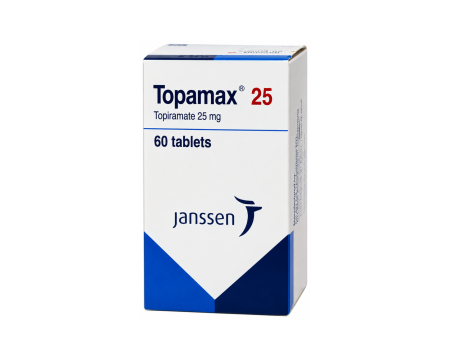
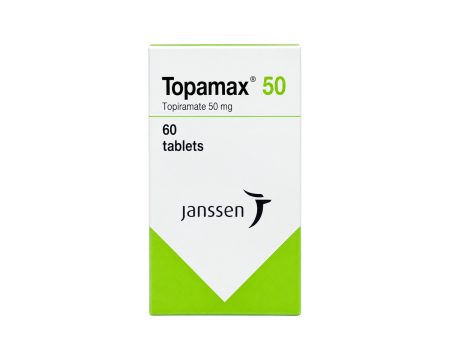
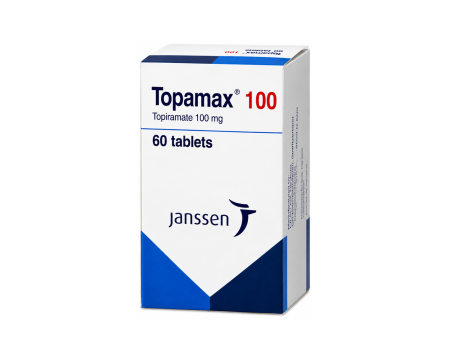


Drug Info
- Brand Name: Topamax
- Active Ingredient: Topiramate
- Manufacturer: Janssen (Johnson & Johnson)
Topamax and its active substance, Topiramate
Topiramate works through several complementary mechanisms: enhancement of GABA-mediated inhibition, blockade of voltage-dependent sodium channels, antagonism at AMPA/kainate glutamate receptors, and mild carbonic anhydrase inhibition. These actions stabilize neuronal firing and dampen cortical hyperexcitability relevant to seizures and migraine susceptibility.
After oral dosing, absorption is good; protein binding is low. The medicine is eliminated mainly by the kidneys as unchanged drug, which is why renal function influences dosing. The half-life supports twice-daily regimens for most patients. Because topiramate can weakly inhibit CYP2C19 and induce CYP3A4, prescribers review potential interactions—especially with hormonal contraceptives at higher doses.
Indications for use
Use is determined by your prescriber according to regional labeling and individual assessment:
- Epilepsy (adults and children): monotherapy or adjunctive therapy for partial-onset seizures and primary generalized tonic–clonic seizures; adjunctive therapy for Lennox–Gastaut syndrome
- Migraine prophylaxis (adults; adolescents per regional guidance): reduction in migraine frequency and severity
Treatment regimens and dosages
Use Topamax exactly as prescribed. Doses are titrated gradually to improve tolerability. Do not stop suddenly.
Adults — Epilepsy (monotherapy):
- Start 25 mg at night for 1 week, then increase by 25–50 mg/day each week, divided twice daily, to a usual total 100–400 mg/day (many stabilize at 200–300 mg/day).
Adults — Epilepsy (adjunctive):
- Start 25–50 mg/day, then increase by 25–50 mg/day each week to 200–400 mg/day in two divided doses (specialist-directed higher totals are occasional).
Adults — Migraine prevention:
- Start 25 mg at night for 1 week; increase by 25 mg/week to 50 mg twice daily (100 mg/day). Some respond at 50 mg/day; others need slower titration.
Pediatrics: specialist-directed, weight-based titration (e.g., target 5–9 mg/kg/day adjunctive for epilepsy, divided BID).
Renal impairment (CrCl <70 mL/min): slower titration and lower maintenance dose (often ~50% of usual).
Hemodialysis: supplemental dose after dialysis may be required.
Administration: swallow tablets whole with water; sprinkle capsules may be opened and the contents mixed with a small amount of soft food—swallow without chewing immediately.
Recommendations for use
- Establish a fixed dosing routine (alarms, pill organizer).
- Maintain adequate hydration to reduce the risk of kidney stones; increase fluids in hot weather and during exercise.
- Keep a seizure or migraine diary (date, triggers, dose, side effects, rescue-medicine use) to guide adjustments.
- For migraine, support with regular sleep, meal timing, and trigger management (caffeine, alcohol, selected foods).
Missed Dose
Take the missed dose when remembered the same day unless it is near the next dose; then skip and resume the schedule. Do not double. If several doses are missed, contact your clinician for restart guidance.
Precautions
- Suicidality (class warning for antiepileptics): monitor for mood changes, new or worsening depression, irritability, or suicidal thoughts—especially after starting or increasing dose.
- Cognitive/psychomotor effects: difficulty with concentration, memory, or speech may occur—titrate slowly and assess fitness to drive or operate machinery.
- Metabolic acidosis: topiramate can lower serum bicarbonate; report rapid breathing, fatigue, arrhythmia, or loss of appetite. Clinicians may check bicarbonate periodically.
- Kidney stones: risk increases with dehydration or with other carbonic anhydrase inhibitors (e.g., acetazolamide, zonisamide).
- Oligohidrosis/heat intolerance: decreased sweating and hyperthermia can occur, particularly in children—avoid overheating; seek care if fever with hot/dry skin develops.
- Acute myopia/secondary angle-closure glaucoma: sudden blurred vision, eye pain, or redness needs urgent attention.
- Hyperammonemia/encephalopathy (especially with valproate): unexplained vomiting, lethargy, or cognitive decline requires medical review.
- Weight loss/decreased appetite: common—monitor weight and nutrition.
- Allergy/skin reactions: seek care for widespread rash or mucosal lesions.
- Do not stop abruptly. Taper under medical supervision.
Use during pregnancy
Treatment is individualized. Topiramate exposure in pregnancy has been associated with a higher risk of oral clefts and other outcomes. If pregnancy is planned or occurs, contact your clinician immediately; dose adjustment, folate supplementation, and risk–benefit discussion are standard. At ≥200 mg/day, topiramate can reduce the effectiveness of estrogen-containing contraceptives—use reliable contraception and discuss options.
Possible side effects
- Common: paresthesia (tingling), taste change, loss of appetite/weight loss, fatigue, dizziness, sleepiness, nausea, diarrhea, cognitive slowing or word-finding difficulty.
- Less common: mood changes (irritability, anxiety, low mood), tremor, insomnia, visual blur, menstrual irregularities.
- Serious—seek medical attention: symptoms of acute glaucoma, severe abdominal/flank pain (possible stones), persistent vomiting or confusion (possible hyperammonemia), severe rash, suicidal thoughts/behavior, signs of significant acidosis (rapid breathing, arrhythmia, profound fatigue).
Topiramate: interaction with other drugs
- Valproate: risk of hyperammonemia and hypothermia—monitor closely.
- Enzyme inducers (carbamazepine, phenytoin, phenobarbital, primidone): can lower topiramate levels; dose adjustments may be needed.
- Oral contraceptives (ethinyl estradiol): doses ≥200 mg/day may reduce effectiveness—consider additional or non-hormonal contraception.
- CYP2C19 substrates (e.g., phenytoin, diazepam): possible increased levels.
- CYP3A4 substrates: mild induction by topiramate may lower exposure to some drugs.
- Carbonic anhydrase inhibitors (acetazolamide, zonisamide): additive acidosis/stone risk.
- CNS depressants (alcohol, sedatives): additive cognitive/psychomotor effects—avoid alcohol.
- Metformin: exposure may increase—glycemic monitoring advised.
Always provide your clinician with a complete list of prescription/OTC medicines, vitamins, and herbal supplements.
Analogs & Generics
Same active ingredient (topiramate — international examples)
- Topiramate tablets (Teva, Sandoz/Hexal, Accord/Actavis, Viatris/Mylan, Aurobindo/Lupin, Dr. Reddy’s) — 25 mg, 50 mg, 100 mg, 200 mg
- Topiramate sprinkle capsules (multiple manufacturers) — for pediatric use or swallowing difficulties
- Available in our catalog: Topamax Generic (strengths depend on current stock)
Drug analogs (different active ingredient, similar therapeutic purpose — chosen by indication)
- Epilepsy: levetiracetam, lamotrigine, valproate, oxcarbazepine, lacosamide, zonisamide
- Migraine prevention: propranolol or metoprolol (β-blockers), amitriptyline or venlafaxine, CGRP monoclonal antibodies (erenumab, fremanezumab, galcanezumab), onabotulinumtoxinA for chronic migraine (specialist-directed)
Storage
Store at 15–25°C in a dry place away from heat and sunlight. Keep tablets/capsules in the original packaging and out of the reach of children. Do not use after the expiry date on the pack.
Customer Experience – What to Expect
Many patients notice fewer migraine days by weeks 4–8 as the target dose is reached; seizure control typically improves during titration and consolidates over subsequent weeks. Early effects such as tingling, taste change, appetite reduction, or mild cognitive slowing often lessen with slower titration, steady hydration, and consistent sleep. People who track triggers and dose times generally reach a comfortable, effective maintenance dose more quickly.
FAQ
How long until Topamax works for migraine?
Benefits often appear after 4–8 weeks at a stable dose.
Can I drink alcohol?
Avoid—alcohol increases cognitive/psychomotor effects and may worsen migraines or seizure risk.
Will it affect birth control?
At ≥200 mg/day, topiramate can reduce estrogen contraceptive effectiveness. Discuss reliable contraception options.
What about kidney stones?
Hydrate well. Report flank pain or blood in urine promptly.
Can I open the capsules?
Yes—sprinkle capsules may be opened and mixed with soft food; swallow without chewing. Tablets should be swallowed whole.
Do I need blood tests?
Your clinician may check serum bicarbonate, and when indicated ammonia (with valproate) and renal function.
The best offer for Topamax online on the market
Right now you can buy Topamax in our online pharmacy. If you are looking for the best place to order Topamax or other medicines containing topiramate, then you have come to the right place.
Advantages of our pharmacy:
- Confidentiality. Discreet, neutral packaging and secure delivery across Europe.
- Price. Buying Topamax online is often more economical than purchasing at a local pharmacy.
- Quantity. You can order the number of packs you need to maintain continuity between check-ups.
- Convenience. Purchase at a time that suits you—no clinic queues or extra trips.
- Information. On our website, you can find clear guidance on dosing, side effects, safe use, and other details necessary for treatment.
We work hard to provide the best possible customer service and to ensure that our medications help control seizures and prevent migraines safely and effectively under medical supervision.









