



Drug Info
- Brand Name: Suprax
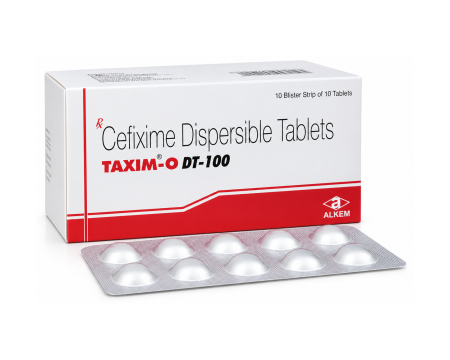
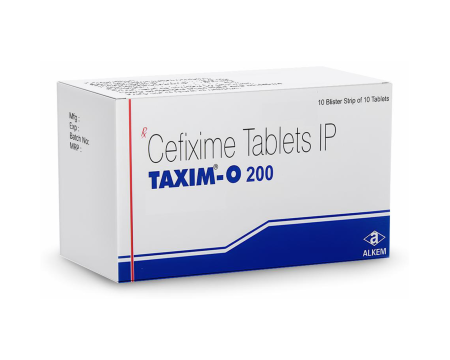
- Active Ingredient: Cefixime
- Manufacturer: Lupin Pharmaceuticals Inc.
Suprax and its active substance, Cefixime
Cefixime is a β-lactam antibiotic that binds penicillin-binding proteins (PBPs) in susceptible bacteria, blocking the transpeptidation step of peptidoglycan synthesis and compromising cell-wall integrity. Bactericidal activity depends on maintaining drug concentrations above the organism’s MIC for an adequate portion of the dosing interval—hence the value of once-daily or twice-daily regimens that keep levels stable.
Its spectrum covers many Enterobacterales and common respiratory pathogens, including Haemophilus influenzae and Moraxella catarrhalis, and selected streptococci. Activity against staphylococci is limited (especially MRSA), and Pseudomonas, many enterococci, and some anaerobes are intrinsically resistant. Local susceptibility data and clinical context guide whether cefixime is appropriate for a given infection.
After oral administration, bioavailability is reliable and food has minimal effect on total exposure (onset may be slightly delayed with very heavy meals). Cefixime is eliminated primarily via the kidneys and bile as unchanged drug; renal impairment increases exposure and may require dose interval adjustment. It does not rely on cytochrome P450 metabolism and has a low potential for metabolic drug–drug interactions, though pharmacodynamic interactions (e.g., with warfarin) require attention.
Indications for use
Use is determined by the prescriber according to regional labeling and local resistance patterns. Commonly treated, susceptible infections include:
- Upper and lower respiratory tract infections (e.g., acute bacterial sinusitis, bronchitis exacerbations, community-acquired pneumonia where appropriate)
- Acute otitis media (especially where H. influenzae/M. catarrhalis are likely)
- Uncomplicated urinary tract infections (cystitis, selected pyelonephritis cases per clinician judgment)
- Uncomplicated infections of the biliary and gastrointestinal tract where cefixime is suitable
- Other labeled or guideline-supported uses at the prescriber’s discretion
Treatment regimens and dosages
Use Suprax exactly as prescribed. Representative adult oral schedules (the prescriber will tailor to the site, organism, and kidney function):
- General dosing: 400 mg once daily or 200 mg twice daily.
- Acute bacterial sinusitis / bronchitis exacerbation: 400 mg once daily for 7–10 days.
- Community-acquired pneumonia (selected cases): 400 mg once daily for 7–14 days, guided by severity and local guidance.
- Uncomplicated UTI (cystitis): 400 mg once daily for 5–7 days (duration may vary).
- Acute otitis media: 400 mg once daily for 7–10 days (pediatric dosing is weight-based; see below).
Pediatric dosing (clinician-directed): typically 8 mg/kg/day as a single daily dose or 4 mg/kg twice daily (maximum 400 mg/day), with duration per indication.
Renal impairment: prescribers may extend dosing interval (e.g., every 24–48 hours) in significant reduction of creatinine clearance.
General rules: swallow with water; with or without food. Do not shorten the course even if you feel better early; early interruption may allow relapse.
Recommendations for use
Start doses at regular times (e.g., 08:00 daily or 08:00/20:00 if split dosing). For stomach sensitivity, a light meal can improve comfort. Maintain hydration and rest. If you are provided a suspension (pediatric or adult who cannot swallow tablets), shake well before each dose and use an accurate dosing device. Keep a simple log of temperatures, symptoms, and dose times; this helps verify response and adherence at follow-up.
Missed Dose
Take the missed dose when remembered unless it is near the time of the next one. Do not double the dose. Resume your usual schedule. If multiple doses are missed or vomiting occurs shortly after a dose, contact your clinician.
Precautions
- Allergy: do not use if you have a known cephalosporin allergy; caution in penicillin allergy due to potential cross-reactivity. Seek care for rash, facial swelling, wheeze, or hives.
- Severe diarrhea: watery/bloody stools or abdominal cramping during or after therapy can indicate C. difficile–associated diarrhea—seek medical attention.
- Kidney function: dose adjustments/interval changes may be needed in renal impairment.
- Diabetes: some suspensions contain sucrose—review excipients if relevant.
- Hematologic/hepatic: rare changes in blood counts or liver enzymes can occur on therapy; report unusual bruising, persistent fatigue, dark urine, or jaundice.
- Driving/activities: dizziness is uncommon; assess individual response.
Use during pregnancy
Decisions are individualized. Cephalosporins are widely used in pregnancy when benefits outweigh risks. If you are pregnant, planning pregnancy, or breastfeeding, discuss the plan with your clinician. Small amounts may pass into breast milk; monitor infants for GI upset or candidiasis.
Possible side effects
- Common: diarrhea or loose stools, nausea, abdominal discomfort, headache, dizziness, mild rash, vaginal/oral candidiasis.
- Less common: vomiting, flatulence, transient elevation of liver enzymes, pruritus.
- Serious—seek medical attention: severe allergic reaction (wheezing, facial/lip swelling), severe/persistent diarrhea, extensive rash or blistering (possible severe skin reaction), unusual bruising/bleeding, marked fatigue or pallor.
Record timing and severity. For mild GI effects, taking with a small meal and adequate fluids often helps.
Cefixime: interaction with other drugs
- Warfarin and other coumarins: potential increase in INR/bleeding—clinician may intensify monitoring and adjust dose.
- Probenecid: can increase cefixime levels by reducing renal excretion—use only if directed.
- Carbamazepine: reported increases in carbamazepine levels—monitor if co-used.
- Live oral typhoid vaccine: antibiotics can reduce vaccine effectiveness—separate per vaccine guidance.
- Antacids/H2 blockers: may modestly affect absorption—space administration if advised.
Always provide a complete list of prescription/OTC medicines, vitamins, and herbal supplements.
Analogs & Generics
Same active ingredient (cefixime — international examples)
- Cefixime tablets/capsules (Teva) — 200 mg, 400 mg
- Cefixime tablets/capsules (Sandoz/Hexal) — standard adult strengths
- Cefixime tablets/capsules (Viatris/Mylan, Lupin, Dr. Reddy’s) — widely used generics
- Cefixime tablets/capsules (Accord/Actavis, Aurobindo/Cipla) — region-specific packs
- Cefixime oral suspension (various manufacturers) — pediatric formulations
Drug analogs (different active ingredient, same purpose — oral options chosen by pathogen/site)
- Amoxicillin/clavulanate — β-lactam/β-lactamase inhibitor for respiratory/ENT/skin infections
- Cefuroxime axetil — oral second-generation cephalosporin
- Cefpodoxime proxetil / Cefdinir — oral third-generation cephalosporins (availability varies)
- Azithromycin — macrolide alternative for selected respiratory infections (resistance-aware)
- Levofloxacin — fluoroquinolone reserved for specific cases per guidelines
Storage
Store at 15–25°C in a dry place away from direct heat and sunlight. Keep tablets/capsules in the original packaging and out of the reach of children. For reconstituted suspension, refrigerate or keep at room temperature per label and discard after the recommended period.
Customer Experience – What to Expect
Many patients notice symptom relief within 48–72 hours—less fever, easier breathing, reduced ear pain or urinary discomfort—while full recovery continues through the prescribed course. Mild loose stools may occur; hydration and simple meals are helpful. If symptoms worsen or do not improve by day 3–4, or if significant diarrhea or rash appears, contact your clinician. Keeping a brief daily log (temperature, symptom scores, dose times) supports precise follow-up and confirms that the duration is adequate but not excessive.
FAQ
Can I take Suprax with food or milk?
Yes. Food has minimal impact on overall exposure and can improve stomach comfort.
What if I have a penicillin allergy?
Discuss details with your clinician. Some people with penicillin allergy can take cephalosporins safely, but cross-reactivity is possible.
Do probiotics help?
Some patients use them to reduce mild antibiotic-associated diarrhea; discuss timing (often separated from doses) with your clinician.
How long should I take it?
Follow the prescribed duration. Stopping early increases relapse risk; unnecessarily long courses increase side effects.
Is it safe in kidney disease?
Dose interval adjustments may be needed in renal impairment—your prescriber will advise.
The best offer for Suprax online on the market
Right now you can buy Suprax in our online pharmacy. If you are looking for the best place to order Suprax or other medicines containing cefixime, then you have come to the right place.
Advantages of our pharmacy:
- Confidentiality. Most people prefer to keep infection treatment private. By ordering Suprax online, you avoid unnecessary face-to-face discussions.
- Price. Buying Suprax online is more beneficial than purchasing at a clinic or local pharmacy.
- Quantity. Doctors often issue a prescription for one or two packs. Our pharmacy allows you to buy the required number of Suprax packs to ensure an adequate supply.
- Convenience. You make a purchase at a convenient time for you, without sacrificing service or security. You do not need to make an appointment or visit a clinic.
- Information. On our website, you can find details on dosage, side effects, safe use, and other information necessary for treatment.
We work hard to provide the best possible customer service and to ensure that our medications help resolve bacterial infections safely and effectively under medical supervision.









