

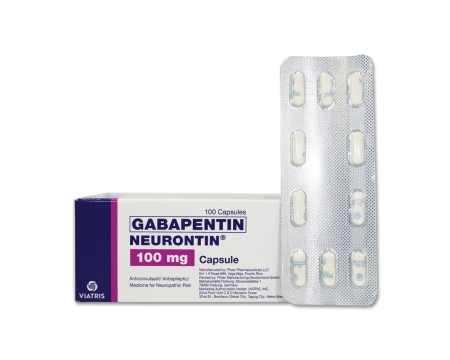
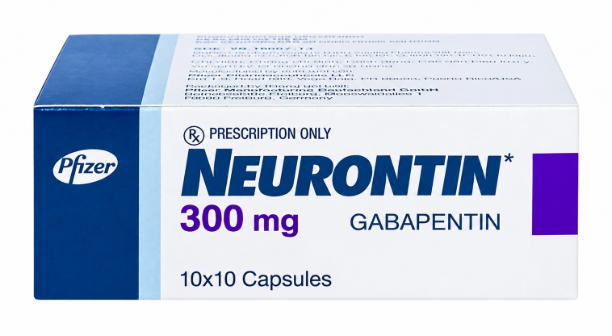
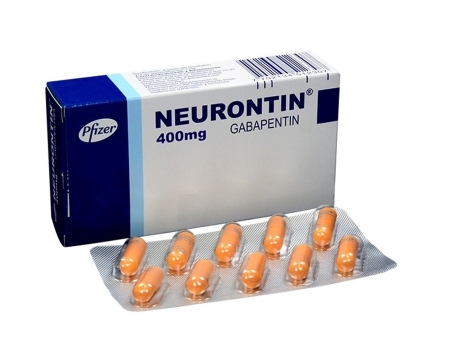
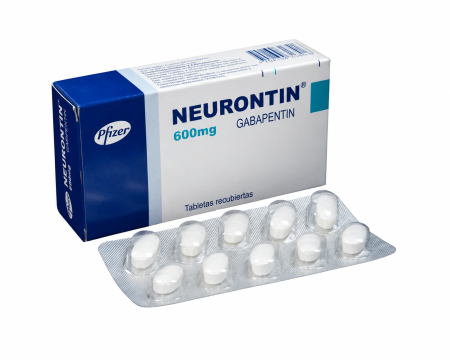


Drug Info
- Brand Name: Neurontin
- Active Ingredient: Gabapentin
- Manufacturer: Pfizer Inc.
Active substance Gabapentin
Gabapentin is a structural analogue of gamma-aminobutyric acid (GABA) but does not act directly on GABA receptors. Its primary binding site is the α2δ subunit of voltage-gated calcium channels in the central nervous system. By modulating calcium channel function, gabapentin reduces excitatory neurotransmitter release in hyperexcitable neural circuits. In neuropathic pain, this dampens ectopic discharges and central sensitization; as an adjunct in focal epilepsy, it helps stabilize neuronal firing.
Absorption of immediate-release gabapentin occurs via a saturable L-amino acid transport system in the gut. As the single-dose amount increases, bioavailability decreases (a pharmacokinetic characteristic to remember when designing dose schedules). Dividing the total daily dose into three approximately equal administrations (morning–afternoon–evening) supports steadier exposures. Food has limited impact on overall exposure for most patients, but very high-fat meals can change onset timing in some individuals. Aluminum/magnesium antacids can reduce gabapentin absorption; spacing doses is recommended (see Interactions).
Gabapentin is not appreciably metabolized by the liver and is eliminated unchanged by the kidneys. This renal clearance profile means dose adjustments are often required in chronic kidney disease and in older adults with reduced glomerular filtration. The lack of hepatic metabolism also contributes to a relatively low potential for CYP-mediated drug–drug interactions; however, additive central nervous system (CNS) effects with sedatives and opioids are clinically important. As with all antiepileptic drugs, a class warning for suicidal ideation applies; clinicians weigh benefits and risks, particularly in patients with mood disorders.
Indications for use
- Neuropathic pain in adults (e.g., post-herpetic neuralgia, diabetic peripheral neuropathy), as part of a clinician-directed plan
- Adjunctive therapy for partial-onset seizures in adults and, per local labeling, in selected adolescents
- Other neuropathic pain syndromes may be considered according to regional approvals and clinical judgment
Use is determined by the prescriber based on diagnosis and local regulatory guidance.
Treatment regimens and dosages
Use Neurontin exactly as prescribed. Representative immediate-release (IR) adult schedules include:
- Neuropathic pain (titration example):
Day 1: 300 mg once; Day 2: 300 mg twice daily; Day 3: 300 mg three times daily.
Thereafter, the dose may be increased based on response and tolerability to 900–3,600 mg/day in three divided doses. Some patients respond adequately at 1,800 mg/day; others require higher totals within the approved range. - Adjunctive therapy for partial-onset seizures (IR):
Initiation and up-titration to a maintenance range typically 900–3,600 mg/day in three divided doses. Doses should be spaced as evenly as possible to maintain steady exposure.
General rules:
- Swallow tablets/capsules with water; take at consistent times each day (e.g., morning–afternoon–night).
- Do not abruptly discontinue; taper gradually under medical supervision (especially in seizure disorders) to reduce rebound or withdrawal risks.
- Renal impairment: prescribers adjust total daily dose or extend dosing intervals according to kidney function.
- If excessive somnolence, dizziness, or edema occurs, contact the clinician; schedule or dose adjustments may help.
Extended-release gabapentin formulations exist in some markets with different dosing instructions and non-interchangeable pharmacokinetics. Follow the exact product directions if such a formulation is prescribed.
Recommendations for use
Set phone reminders or use a pill organizer to support three-times-daily dosing. Maintain adequate hydration and consistent sleep; both can influence perceived pain and seizure thresholds. For neuropathic pain, clinicians often combine gabapentin with non-pharmacological measures (skin care for post-herpetic sites, foot care for diabetes, physiotherapy). Record a simple diary of dose times, pain severity, functional goals (sleep quality, walking distance, household tasks), and any adverse effects; this information guides dose optimization.
Alcohol and unnecessary sedatives can amplify dizziness and drowsiness. If you drive or operate machinery, evaluate your individual response before engaging in hazardous activities. For chronic kidney disease, keep nephrology recommendations in mind (fluid/salt targets, medication lists) and attend scheduled lab checks. If doses are missed frequently, discuss simplified scheduling or alternative strategies with your prescriber.
Missed Dose
If you miss a dose, take it when remembered unless it is near the time for the next dose. Do not double the next dose. Resume the regular schedule. For seizure indications, repeated missed doses can destabilize control—inform your clinician if adherence becomes difficult.
Precautions
- CNS depression and coordination effects: dizziness, somnolence, ataxia; assess fitness to drive or use machines. Risk increases with alcohol, opioids, benzodiazepines, and other sedatives.
- Respiratory depression: rare but reported, especially with opioids, in elderly patients, those with chronic lung disease, or at high doses—seek urgent attention for slow/shallow breathing.
- Suicidal ideation: monitor mood and behavior changes; report new or worsening depression, irritability, or self-harm thoughts.
- Hypersensitivity reactions: anaphylaxis and DRESS (Drug Rash with Eosinophilia and Systemic Symptoms) have been reported; stop the medicine and seek care for rash with fever, lymphadenopathy, or organ involvement.
- Peripheral edema/weight gain: more likely in older adults or those with cardiovascular disease; discuss if swelling or sudden weight changes occur.
- Renal impairment: requires dose adjustment; excessive sedation may signal accumulation.
- Withdrawal/abrupt stop: avoid sudden discontinuation (especially in epilepsy). Taper per prescriber instructions.
- Misuse risk: use only as prescribed; do not escalate doses on your own or combine with sedatives without medical advice.
- Pediatric/geriatric use: follow regional labeling; start low and titrate carefully in older adults.
Use during pregnancy
Decisions are individualized by the prescriber. Gabapentin has been used during pregnancy when benefits outweighed risks; discuss treatment plans if you are pregnant, planning pregnancy, or become pregnant. Gabapentin is excreted in breast milk; breastfeeding decisions should be made with medical guidance, considering infant monitoring for sedation and adequate weight gain.
Possible side effects
- Common: dizziness, somnolence, fatigue, ataxia/unsteady gait, tremor, peripheral edema, dry mouth, nausea.
- Less common: blurred vision or nystagmus, constipation or diarrhea, weight gain, mood changes (irritability, low mood), memory/concentration issues.
- Serious (seek medical care): signs of hypersensitivity or DRESS (rash, fever, swollen glands), severe weakness or persistent vomiting, new or worsening depression or suicidal thoughts, severe respiratory depression (especially with opioids or in frail patients).
If adverse effects occur, note timing relative to doses, meals, alcohol, and other medicines; this helps clinicians adjust total daily dose, divide dosing differently, or consider alternatives.
Gabapentin: interaction with other drugs
- Aluminum/magnesium antacids: can reduce gabapentin absorption; take gabapentin at least 2 hours after such antacids.
- Opioids (e.g., morphine, oxycodone): additive CNS and respiratory depression; some opioids may increase gabapentin exposure—close monitoring required.
- Benzodiazepines, sedating antihistamines, alcohol: additive sedation/impairment; caution advised.
- CNS depressants in general: increased risk of dizziness, drowsiness, falls; dose adjustments or spacing may be necessary.
- Drugs affected by GI transit or that cause constipation: may worsen tolerance; discuss laxative plans if needed.
Provide your clinician with a complete, up-to-date list of prescription/OTC medicines, vitamins, and herbal supplements.
Analogs & Generics
Same active ingredient (gabapentin — international examples)
- Gabapentin tablets (Teva) — common strengths such as 600 mg, 800 mg
- Gabapentin capsules (Sandoz/Hexal) — 100 mg, 300 mg, 400 mg
- Gabapentin tablets (Viatris/Mylan) — immediate-release presentations for divided dosing
- Gabapentin tablets (Accord/Actavis) — region-specific strengths
- Gralise (gabapentin extended-release; brand; region-dependent availability)
Drug analogs (different active ingredient, same purpose — neuropathic pain/adjunctive seizure therapy)
- Pregabalin (e.g., Lyrica) — neuropathic pain and adjunctive seizures
- Duloxetine — serotonin–norepinephrine reuptake inhibitor for neuropathic pain
- Amitriptyline — tricyclic antidepressant used at low doses for neuropathic pain
- Carbamazepine / Oxcarbazepine — anticonvulsants for focal seizures and trigeminal neuralgia (per labeling)
- Lamotrigine / Topiramate — adjunctive seizure therapies (indications vary by region)
Storage
Store at 15–25°C in a dry place away from direct heat and sunlight. Keep tablets/capsules in the original packaging and out of the reach of children. Do not use after the expiry date printed on the pack.
Customer Experience – What to Expect
For neuropathic pain, many patients notice initial relief within 1–2 weeks as titration reaches effective levels, with further improvement over 2–4 weeks. Sleep quality often stabilizes as night-time pain decreases. Dizziness or somnolence may appear early and typically lessens after dose timing is regular and alcohol/sedatives are minimized. For seizure adjunct therapy, families frequently report fewer interruptions to daily life as seizure control improves and dosing becomes routine. Keeping a simple diary (dose times, pain scores, seizure logs, side effects) helps clinicians make precise adjustments and plan any tapering.
FAQ
How long until Neurontin helps my nerve pain?
Some relief can appear within 1 week, with fuller benefit over 2–4 weeks as dose is optimized.
Can I take it with food?
Yes—with or without food. Keep times consistent each day. If you use aluminum/magnesium antacids, take gabapentin ≥2 hours after the antacid.
Do I need to taper off?
Yes. Neurontin should be withdrawn gradually under medical supervision to avoid symptom rebound or seizure risk.
Is it safe to drive?
Until you know how you react, avoid driving or hazardous tasks. Dizziness and drowsiness are common early in therapy.
What if I’m also on opioids or sleep medicines?
This combination can increase sedation and respiratory depression risk. Use only under medical supervision and report unusual sleepiness or slow breathing.
What if I miss a dose?
Take it when remembered unless close to the next dose; do not double. Resume the regular schedule.
The best offer for Neurontin online on the market
Right now you can buy Neurontin in our online pharmacy. If you are looking for the best place to order Neurontin or other medicines containing gabapentin, then you have come to the right place.
Advantages of our pharmacy:
- Confidentiality. Most people prefer to keep their neurological or pain treatment private. By ordering Neurontin online, you avoid unnecessary face-to-face discussions.
- Price. Buying Neurontin online is more beneficial than purchasing at a clinic or local pharmacy.
- Quantity. Doctors often issue a prescription for one or two packs. Our pharmacy allows you to buy the required number of Neurontin packs to ensure an adequate supply.
- Convenience. You make a purchase at a convenient time for you, without sacrificing service or security. You do not need to make an appointment or visit a clinic.
- Information. On our website, you can find details on dosage, side effects, safe use, and other information necessary for treatment.
We work hard to provide the best possible customer service and to ensure that our medications help reduce neuropathic pain and support seizure control under medical supervision.









