



Drug Info
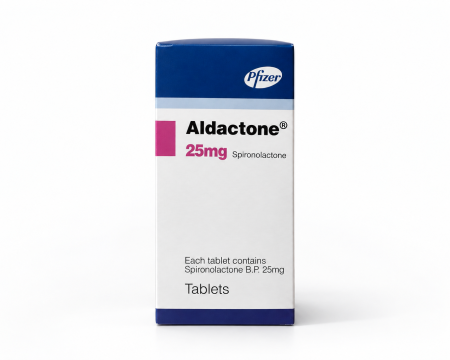
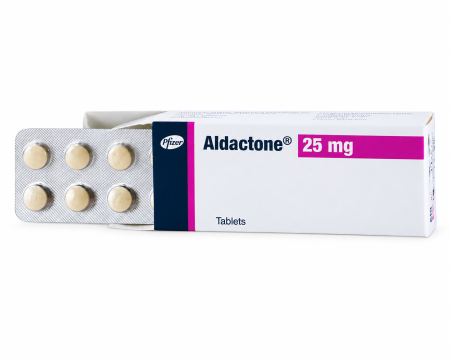
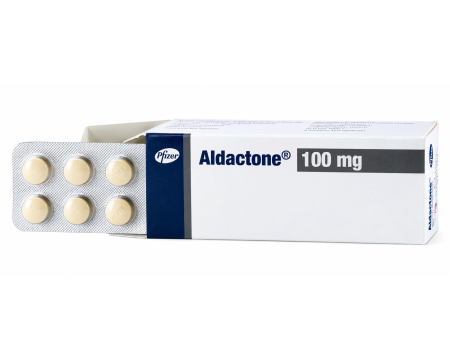
- Brand Name: Aldactone
- Active Ingredient: Spironolactone
- Manufacturer: Pfizer Inc.
Active substance Spironolactone
Spironolactone competitively antagonizes mineralocorticoid (aldosterone) receptors in the distal tubules and collecting ducts. This lowers activity of epithelial sodium channels and the Na⁺/K⁺ exchange mechanism, resulting in increased urinary sodium and water excretion with decreased potassium and hydrogen ion excretion. The net effect is a mild diuresis with potassium conservation.
After oral administration, spironolactone is rapidly absorbed and extensively metabolized to active metabolites (e.g., canrenone). The clinical effect emerges within hours and stabilizes with regular dosing over several days. Because it is potassium-sparing, the principal safety concern is hyperkalemia, especially in people with impaired renal function or those taking other medicines that raise serum potassium. Dietary factors (high-potassium foods or salt substitutes containing potassium) can also contribute. Patients are typically advised to follow a stable diet and to avoid unsupervised potassium supplementation.
Spironolactone has additional endocrine effects due to interactions with androgen and progesterone receptors. These properties explain certain benefits (e.g., reduction of androgen-mediated symptoms in specific populations when prescribed) and certain adverse effects (e.g., gynecomastia in males). Clinical decisions about initiation and dose take these pharmacologic features into account.
Indications for use
- Edema associated with congestive heart failure, cirrhosis (with or without ascites), or nephrotic syndrome, as part of a comprehensive regimen determined by a clinician
- Hypertension (including resistant hypertension) in adults when a potassium-sparing diuretic or mineralocorticoid receptor blockade is appropriate
- Primary hyperaldosteronism (diagnosis and short-term preoperative management; long-term treatment when surgery is not appropriate)
- Additional clinician-directed uses where mineralocorticoid receptor antagonism is beneficial, according to local labeling and medical judgment
Treatment regimens and dosages
Use Aldactone exactly as prescribed. Dosing varies by indication, response, and laboratory values:
- Edema (heart failure, cirrhosis, nephrotic syndrome): commonly 25–200 mg per day, given once daily or in divided doses. Clinicians often start at 25–50 mg/day and titrate based on edema control, weight, and electrolytes.
- Heart failure (selected patients): initiation may be 12.5–25 mg once daily, titrated to 25–50 mg/day if tolerated and if renal function and potassium remain within safe limits.
- Hypertension (including resistant hypertension): typical starting dose 25 mg once daily, with possible titration to 50–100 mg/day depending on response and laboratory monitoring.
- Primary hyperaldosteronism: diagnostic courses or preoperative control often require higher doses (e.g., 100–400 mg/day in divided doses) for a limited period; long-term therapy is individualized when surgery is not suitable.
Administration: take tablets at the same time(s) each day with water. Aldactone may be taken with or without food; some patients prefer dosing with food to reduce stomach discomfort. Do not alter dose, frequency, or duration without clinician approval. Titration is guided by clinical response (edema, blood pressure) and by periodic checks of serum potassium and creatinine. In older adults or those with reduced kidney function, lower starting doses and slower titration are common.
Diet and fluids: follow clinician advice regarding sodium intake and fluid management. Do not use potassium salt substitutes unless specifically instructed. Discuss any planned changes in diet (e.g., high-potassium foods) prior to making them.
Recommendations for use
- Keep a regular dosing routine (e.g., morning dosing; divided dosing if prescribed).
- Monitor body weight and swelling patterns; report rapid weight changes.
- Maintain consistent dietary habits; avoid unsupervised potassium supplements and salt substitutes containing potassium.
- Stay hydrated but follow fluid guidance if you have heart failure or cirrhosis with ascites.
- Attend scheduled laboratory tests (potassium, creatinine). Early monitoring is especially important after dose changes or the addition of interacting medicines.
- Inform your clinician about all OTC products and herbal supplements you use.
Missed Dose
If a dose is missed, take it when remembered unless it is close to the next scheduled dose. Do not double the next dose. Resume the usual schedule. If multiple doses are missed, contact your clinician for advice.
Precautions
- Hyperkalemia risk: higher with renal impairment, advanced age, diabetes, dehydration, and concurrent use of ACE inhibitors, ARBs, aliskiren, potassium supplements, potassium-sparing diuretics, trimethoprim-containing antibiotics, or drospirenone-containing medicines. Seek medical advice for muscle weakness, palpitations, or unusual fatigue.
- Renal function: use with caution in reduced kidney function; dose and monitoring frequency are individualized.
- Hepatic impairment: in cirrhosis, careful titration and monitoring of electrolytes and renal parameters are essential.
- Endocrine effects: may cause breast tenderness or gynecomastia in males; menstrual irregularities or breast tenderness can occur in females.
- Driving/alertness: Aldactone is not typically sedating, but dizziness can occur in some individuals; use caution with tasks requiring alertness until you know your response.
Use during pregnancy
Spironolactone is not recommended during pregnancy unless a clinician determines that potential benefit justifies potential risk. Due to anti-androgenic activity, use during pregnancy may pose risk to a male fetus. Women of childbearing potential should discuss effective contraception while on therapy. Decisions about use during breastfeeding are individualized; a clinician will weigh maternal need against potential infant exposure.
Possible side effects
- Common: increased urination early in therapy, dizziness, gastrointestinal discomfort, nausea, mild fatigue.
- Endocrine: breast tenderness; gynecomastia in males (dose- and duration-related); menstrual irregularities in females.
- Electrolytes/renal: hyperkalemia (elevated potassium), changes in sodium or magnesium; rises in creatinine, particularly in susceptible patients or with interacting drugs.
- Less common: rash, leg cramps, headache, drowsiness.
- Serious (seek medical attention): signs of severe hyperkalemia (muscle weakness, paresthesias, significant palpitations), severe dehydration, persistent vomiting/diarrhea, allergic reactions (facial swelling, wheeze, widespread rash).
Record timing of symptoms relative to dose and any changes in diet or co-medications; this helps clinicians adjust therapy safely.
Spironolactone: interaction with other drugs
ACE inhibitors/ARBs/aliskiren: additive risk of hyperkalemia and renal function changes; requires close laboratory monitoring when used together.
Potassium supplements/salt substitutes and other potassium-sparing agents (e.g., amiloride, triamterene, drospirenone): increased hyperkalemia risk—generally avoid unless specifically directed and monitored.
Trimethoprim-containing antibiotics (e.g., trimethoprim-sulfamethoxazole): can significantly increase potassium; combination warrants caution or alternatives.
NSAIDs: may reduce diuretic efficacy and impact renal function; monitor if co-administered.
Lithium: diuretic effects may increase lithium levels/toxicity; avoid or monitor closely.
Digoxin: spironolactone can affect digoxin levels/assays; clinicians may adjust monitoring accordingly.
Always provide a full list of prescription and OTC medicines and supplements to your clinician.
Analogs & Generics
Same active ingredient (spironolactone — international examples)
- Spironolactone tablets (Teva) — multiple strengths for once-daily or divided dosing
- Spironolactone tablets (Sandoz/Hexal) — commonly available adult strengths
- Spironolactone tablets (Accord/Actavis) — film-coated presentations
- Spironolactone tablets (Viatris/Mylan) — standard strengths used in edema and hypertension regimens
- CaroSpir (spironolactone oral suspension) — liquid formulation used when tablets are unsuitable
Drug analogs (different active ingredient, same purpose — mineralocorticoid blockade/diuresis or related indications)
- Eplerenone — selective mineralocorticoid receptor antagonist used in heart failure/hypertension settings
- Amiloride — potassium-sparing diuretic of the epithelial sodium channel (ENaC) class
- Triamterene — potassium-sparing diuretic frequently combined with thiazides
- Furosemide — loop diuretic used for edema management in heart failure and other states
- Hydrochlorothiazide — thiazide diuretic for hypertension and mild edema (clinician-directed use)
Storage
Store at 15–25°C in a dry place away from heat and direct sunlight. Keep tablets in the original packaging and out of the reach of children. Do not use after the expiry date printed on the pack.
Customer Experience – What to Expect
Many patients notice an increase in urination during the first days, reflecting the diuretic effect. Edema and body weight typically improve over days to weeks as fluid balance stabilizes. Blood pressure responses may become evident within 1–2 weeks in hypertension regimens. In heart failure, some patients report easier breathing and reduced ankle swelling as part of a broader treatment plan. For endocrine-related benefits chosen by a clinician, timelines vary; gradual changes over weeks are common. Tolerability often improves when dosing is consistent and diet is steady. Regular laboratory checks help maintain safety and guide dose adjustments.
FAQ
How quickly does Aldactone start working?
Diuretic effects can appear within hours of dosing; edema control and blood pressure benefits usually build over several days to weeks with regular use.
Do I need blood tests while taking Aldactone?
Yes. Clinicians usually monitor serum potassium and creatinine, especially after starting or changing dose and when adding interacting medicines.
Can I use salt substitutes?
Avoid potassium-containing salt substitutes unless your clinician specifically approves them, as they can raise potassium levels.
What foods should I be careful with?
Keep a consistent diet. Very high-potassium diets (large amounts of certain fruits/juices or supplements) may raise potassium; discuss dietary plans with your clinician.
Can I take Aldactone with my ACE inhibitor or ARB?
Sometimes, under supervision. The combination can be useful but increases hyperkalemia risk; extra laboratory monitoring is required.
What about side effects like breast tenderness or gynecomastia?
Endocrine effects are possible and may relate to dose and duration. Report symptoms to your clinician; dose adjustments or alternatives can be considered.
The best offer for Aldactone online on the market
Right now you can buy Aldactone in our online pharmacy. If you are looking for the best place to order Aldactone or other medicines containing spironolactone, then you have come to the right place.
Advantages of our pharmacy:
- Confidentiality. Most people prefer to keep their treatment private. By ordering Aldactone online, you avoid unnecessary face-to-face discussions.
- Price. Buying Aldactone online is more beneficial than purchasing at a clinic or local pharmacy.
- Quantity. Doctors usually issue a prescription for one or two packs. Our pharmacy allows you to buy the required number of Aldactone packs to ensure an adequate supply.
- Convenience. You make a purchase at a convenient time for you, without sacrificing service or security. You do not need to make an appointment or visit a clinic.
- Information. On our website, you can find out about dosage, side effects, safe use, and other information necessary for treatment.
We work hard to provide the best possible customer service and to ensure that our medications help patients achieve the intended therapeutic effect.









