

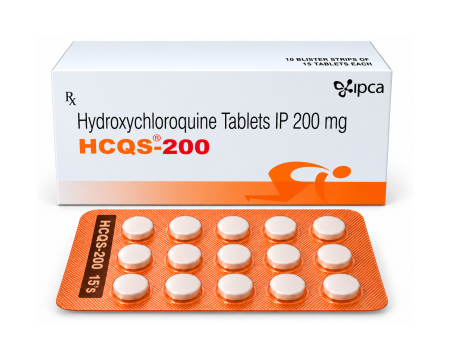
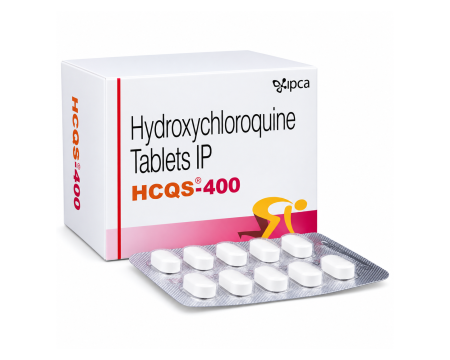


Drug Info
- Brand Name: Hydroxychloroquine
- Active Ingredient: Hydroxychloroquine sulfate
- Manufacturer: Sanofi
Hydroxychloroquine and its active substance
Hydroxychloroquine accumulates in lysosomes and endosomes, increases intravesicular pH, and modulates toll-like receptor signaling and antigen presentation. These actions explain its use in autoimmune conditions. Early in the pandemic, the same properties motivated trials in SARS-CoV-2 infection; subsequent controlled studies did not demonstrate reliable clinical benefit for most patients with COVID-19, while confirming known risks such as QT-interval prolongation when combined with other QT-prolonging agents. Any consideration for COVID-19 today is exceptional and requires clinician oversight.
Indications for use
Final decisions rest with your clinician according to regional labeling and the individual case. In the context of COVID-19:
- Routine treatment or prophylaxis of COVID-19 with hydroxychloroquine is not recommended; any use is strictly clinician-directed.
- Patients already receiving hydroxychloroquine for rheumatologic conditions may continue under their specialist’s plan while COVID-19 is treated per current protocols.
Treatment regimens and dosages
Use exactly as prescribed. Do not start or adjust dosing for COVID-19 on your own.
Typical rheumatology dosing (for context) is 200–400 mg/day of hydroxychloroquine base equivalent, individualized by body weight, renal/hepatic function, and co-medications. If a clinician contemplates use in relation to COVID-19, they will determine dosing, ECG monitoring needs, and drug-interaction management.
Administration: take at the same time each day, preferably with food or milk to reduce gastric discomfort. Swallow tablets whole with water.
Recommendations for use
- Provide a complete list of all medicines and supplements, especially agents that can prolong the QT interval or disturb electrolytes.
- For COVID-19 care, follow your clinician’s plan using evidence-based antivirals, anti-inflammatory agents, and supportive measures as indicated.
- For long-term rheumatologic use, schedule ophthalmologic monitoring according to risk.
Missed Dose
Take the missed dose the same day when remembered. If the next dose is near, skip the missed dose and resume the schedule. Do not double.
Precautions
- Cardiac: hydroxychloroquine can prolong QT and precipitate ventricular arrhythmias, especially with macrolides (e.g., azithromycin), fluoroquinolones, or other QT-prolonging drugs, and with electrolyte abnormalities or structural heart disease. ECG monitoring may be advised.
- Ophthalmic (with long-term use): risk of retinopathy rises with dose and duration; specialists arrange baseline and periodic eye exams.
- Metabolic/hematologic: hypoglycemia and cytopenias can occur; report unusual fatigue, bruising, or symptoms of low blood sugar.
- Dermatologic/hepatic: rashes, photosensitivity, and rare hepatotoxicity are possible.
- Special populations: decisions in pregnancy and breastfeeding are individualized; many patients remain on hydroxychloroquine for autoimmune disease when benefits outweigh risks. Caution in G6PD deficiency, psoriasis, and porphyria.
Possible side effects
Common: nausea, abdominal pain, diarrhea, headache, cutaneous rash.
Less common: pruritus, mood changes, tinnitus, transient visual blur.
Serious—seek medical attention: visual changes, severe hypoglycemia, jaundice, palpitations, syncope (possible arrhythmia).
Hydroxychloroquine: interaction with other drugs
- QT-prolonging drugs: macrolides (e.g., azithromycin), fluoroquinolones, certain antipsychotics and antiarrhythmics—higher arrhythmia risk.
- Antidiabetics/insulin: risk of hypoglycemia—monitor closely.
- Antacids containing Mg/Al: reduce absorption—separate dosing by several hours.
- Digoxin, cyclosporine, tamoxifen: concentration changes or added risks—specialist monitoring required.
Always share a full medication list with your clinician.
Analogs & Generics
Same active ingredient (hydroxychloroquine — international examples)
- Plaquenil (hydroxychloroquine sulfate 200 mg) — originator brand
- Hydroxychloroquine sulfate 200 mg — generics by multiple manufacturers
Alternatives relevant to COVID-19 care (clinician-selected)
- Nirmatrelvir/ritonavir (Paxlovid) — oral antiviral for early disease in eligible patients
- Remdesivir — intravenous antiviral per protocol
- Molnupiravir — oral antiviral when other options are unsuitable
- Dexamethasone — for hypoxemic hospitalized patients
- Tocilizumab / Baricitinib — immunomodulators in selected hospitalized cases
Storage
Store at 15–25°C in a dry place away from heat and sunlight. Keep tablets in the original packaging and out of the reach of children. Do not use after the expiry date printed on the pack.
Customer Experience – What to Expect
- For autoimmune indications, benefits typically appear over several weeks of steady dosing with regular monitoring.
- For COVID-19, current routine care generally does not include hydroxychloroquine; any consideration is exceptional and strictly clinician-directed. Seek urgent care for symptoms suggestive of arrhythmia (palpitations, dizziness, fainting).
FAQ
Is hydroxychloroquine used for COVID-19 today?
Not routinely. Any use is exceptional and requires individualized clinician approval.
Can I take it to prevent COVID-19?
No. Prophylactic use is not recommended.
Is it safe with azithromycin?
The combination can increase arrhythmia risk due to additive QT prolongation; only a clinician can decide and monitor.
Do I need tests while taking it?
Your clinician may arrange ECG and electrolyte checks as indicated, and ophthalmologic exams for long-term therapy.
The best offer for Hydroxychloroquine online on the market
Right now you can buy Hydroxychloroquine in our online pharmacy. If your clinician decides to include hydroxychloroquine in your individualized COVID-19 plan or for its approved indications, we provide:
- Confidentiality. Discreet, neutral packaging with secure delivery across Europe.
- Price. Competitive, transparent pricing with clear product identification.
- Quantity. Packs aligned with your clinician’s plan.
- Convenience. Ordering at a time that suits you with reliable shipment tracking.
- Information. Clear guidance on safe use, interactions, and precautions.
We prioritize safety. Follow your clinician’s recommendations and current treatment guidelines; hydroxychloroquine is used only when a specialist judges it appropriate.









