

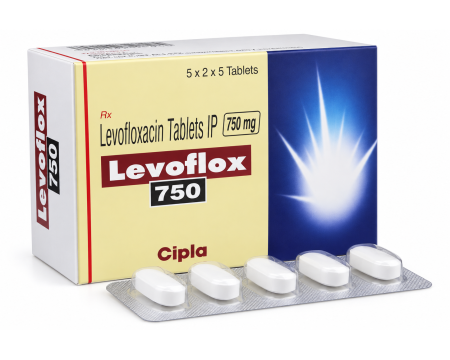
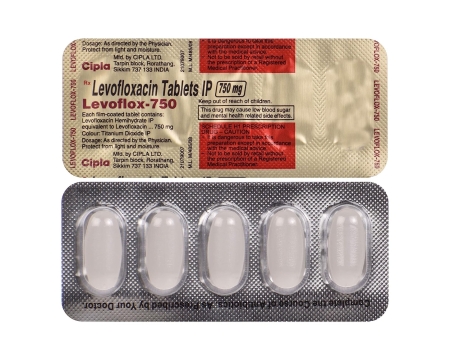


Drug Info
- Brand Name: Levofloxacin
- Active Ingredient: Levofloxacin
- Manufacturer: Cipla
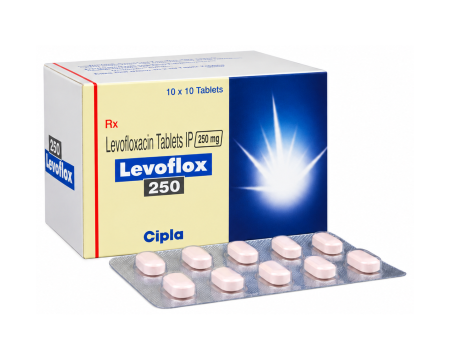
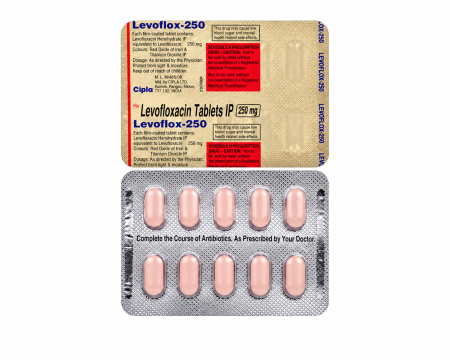
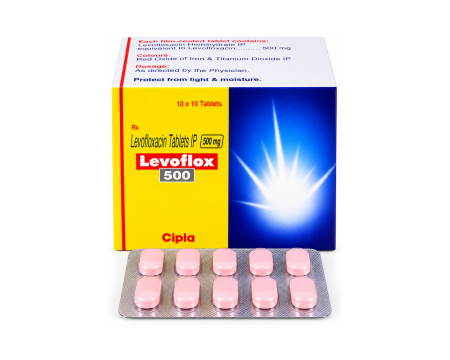
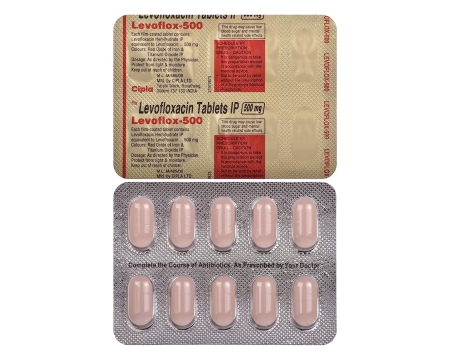
Levofloxacin tablets and their active substance, levofloxacin
Levofloxacin is the L-isomer of ofloxacin and acts by inhibiting DNA gyrase (topoisomerase II) and topoisomerase IV in susceptible bacteria. This blocks supercoiling and segregating of chromosomal DNA, producing rapid bactericidal activity. Oral bioavailability is high, enabling equivalent oral/IV step-down therapy in many settings.
Absorption is markedly reduced by polyvalent cations (iron, calcium, magnesium, aluminum, zinc, bismuth). Separate dosing from antacids, mineral supplements, and some enteral feeds to protect exposure. The drug is eliminated renally (largely unchanged), so dosing must be adjusted in renal impairment to prevent accumulation and CNS effects. Levofloxacin penetrates lung tissue, urine, and skin well, which is relevant to its clinical use.
Indications for use
Use is determined by your clinician according to regional labeling, local guidelines, and susceptibility patterns. Commonly treated, susceptible infections include:
- Community respiratory infections: community-acquired pneumonia; acute bacterial sinusitis; acute exacerbation of chronic bronchitis (when alternatives are inappropriate)
- Urinary tract infections: uncomplicated and complicated UTI; pyelonephritis
- Chronic bacterial prostatitis
- Skin and soft-tissue infections (selected cases)
- Post-exposure/prophylaxis for specific pathogens per public-health guidance (specialist-directed)
Treatment regimens and dosages
Use levofloxacin exactly as prescribed. Representative adult oral schedules (the prescriber will tailor dose/duration; adjust in renal impairment):
- Community-acquired pneumonia: 500 mg once daily for 7–14 days or 750 mg once daily for 5 days.
- Acute bacterial sinusitis: 500 mg once daily for 10–14 days or 750 mg once daily for 5 days when indicated.
- Acute exacerbation of chronic bronchitis (selected patients): 500 mg once daily for 7 days.
- Uncomplicated UTI (cystitis): 250 mg once daily for 3 days (region-dependent).
- Complicated UTI / Pyelonephritis: 250 mg once daily for 10 days or 750 mg once daily for 5 days, per clinical judgment.
- Chronic bacterial prostatitis: 500 mg once daily for 28 days.
- Skin/soft-tissue infections: 500 mg once daily for 7–14 days (or 750 mg for 7–14 days in selected cases).
Renal dosing (examples): prescribers reduce dose or extend interval when creatinine clearance is <50 mL/min (e.g., give an initial full dose, then q48h or reduced daily dose according to CrCl). Hemodialysis schedules are specialist-directed.
Administration: swallow with water; with or without food. Separate by at least 2 hours before or 4–6 hours after products containing Fe²⁺/Fe³⁺, Ca²⁺, Mg²⁺, Al³⁺, Zn²⁺, bismuth, or sucralfate.
Recommendations for use
- Start the first dose as soon as the prescription is filled, then keep doses at the same time each day.
- Maintain hydration and rest; note fever curves and symptom changes.
- Protect from sunlight/UV (photosensitivity risk): use protective clothing and sunscreen.
- For long courses, keep a simple log (dose times, temperature, symptoms, any adverse effects) to review at follow-up.
- If stomach upset occurs, take with a light meal—but keep mineral separation rules.
Missed Dose
Take the missed dose when remembered unless it is near the next dose. Do not double doses. Resume your regular schedule.
Precautions
Fluoroquinolone class warnings (important):
- Tendinitis and tendon rupture can occur during treatment or months after; risk increases with age, corticosteroids, and transplant recipients. Stop and seek care if tendon pain, swelling, or weakness appears; avoid exercise of the affected area.
- Peripheral neuropathy (pain, burning, tingling, numbness, weakness) may be rapid in onset and potentially permanent—stop and contact a clinician if symptoms begin.
- CNS effects: seizures (rare), tremor, agitation, confusion, hallucinations, insomnia—risk higher in elderly or with renal impairment/NSAIDs; report new neurologic symptoms promptly.
- Myasthenia gravis: may worsen muscle weakness—avoid use in known MG.
- Aortic aneurysm/dissection risk: fluoroquinolones may increase risk in predisposed individuals (existing aneurysm, vascular disorders); clinicians weigh risks carefully.
- QT prolongation/arrhythmia: caution with existing QT prolongation, uncorrected electrolytes, or QT-prolonging drugs.
- Dysglycemia: monitor glucose closely if you have diabetes (both hypo- and hyperglycemia reported).
- C. difficile–associated diarrhea: severe or persistent diarrhea needs urgent evaluation; do not self-treat with anti-motility agents.
General cautions: allergy to quinolones, pregnancy/lactation (see below), pediatric use (generally avoided unless benefit outweighs risk), significant renal impairment (dose adjustment), and concomitant corticosteroids (tendon risk).
Use during pregnancy
Use is generally avoided during pregnancy unless potential benefit clearly outweighs risk. For breastfeeding, decisions are individualized; if used, monitor the infant for GI upset or candidiasis. Discuss family-planning and lactation before starting therapy.
Possible side effects
- Common: nausea, diarrhea, abdominal pain, headache, dizziness, trouble sleeping, photosensitivity.
- Less common: vomiting, rash, pruritus, taste changes, mild liver-enzyme elevation.
- Serious—seek medical attention: tendon pain/rupture, severe rash or blistering, persistent/watery or bloody diarrhea, chest palpitations or fainting, severe mood or behavior change, numbness/tingling or new weakness, marked confusion, severe hypoglycemia/hyperglycemia, decreased urine output.
Record timing and severity; share with your clinician to refine dosing or choose alternatives.
Levofloxacin: interaction with other drugs
- Chelation reducing absorption: antacids (Al/Mg), iron, zinc, calcium supplements/high-calcium products, bismuth, sucralfate, didanosine buffered formulations — separate timing as above.
- QT-prolonging agents: antiarrhythmics (e.g., amiodarone, sotalol), certain macrolides, tricyclics, antipsychotics — additive risk; monitoring advised.
- Warfarin and other coumarins: possible INR increase — closer monitoring/adjustment.
- Antidiabetics/insulin: risk of dysglycemia — monitor glucose closely.
- NSAIDs/theophylline: may increase CNS excitability or lower seizure threshold — caution.
- Probenecid, cimetidine: can raise levofloxacin levels by reducing renal secretion — dose review in renal impairment.
Always provide your clinician with a complete list of prescription/OTC medicines, vitamins, and supplements.
Analogs & Generics
Same active ingredient (levofloxacin — international examples)
- Levofloxacin tablets (Teva) — 250 mg, 500 mg, 750 mg
- Levofloxacin tablets (Sandoz/Hexal) — standard strengths
- Levofloxacin tablets (Viatris/Mylan, Accord/Actavis) — film-coated presentations
- Levofloxacin tablets (Aurobindo/Lupin/Dr. Reddy’s) — widely used generics
- Historic brand: Levaquin (region-dependent availability)
Drug analogs (different active ingredient, same purpose — selected by pathogen/site)
- Moxifloxacin — respiratory fluoroquinolone (QT considerations)
- Ciprofloxacin — urinary/GI and selected systemic infections (pathogen-driven)
- Amoxicillin/clavulanate — respiratory/ENT/skin infections where susceptible
- Cefuroxime axetil / Cefpodoxime — oral cephalosporins for ENT/respiratory infections
- Doxycycline / Azithromycin — alternatives for specific respiratory/STI pathogens per guidelines
Storage
Store at 15–25°C in a dry place away from direct heat and sunlight. Keep tablets in the original packaging and out of the reach of children. Do not use after the expiry date printed on the blister/carton.
Customer Experience – What to Expect
Many patients notice clinical improvement within 48–72 hours (lower fever, easier breathing, reduced urinary discomfort) when organisms are susceptible and dosing is optimized. Mild nausea or lightheadedness may occur at the start and often settles with food and steady hydration. Photosensitivity is preventable with sun precautions. Promptly report tendon pain, neuropathic sensations, marked mood or sleep changes, or persistent diarrhea; early assessment allows safe switches or dose adjustments. Keeping a simple symptom and dosing diary helps your clinician confirm that duration is adequate but not excessive.
FAQ
Can I take levofloxacin with milk or antacids?
Take with a light meal if needed, but separate from dairy/minerals and antacids by the timing listed above to protect absorption.
How quickly does it work?
Symptom improvement is often seen in 2–3 days; complete the entire prescribed course even if you feel better.
Is sun exposure a problem?
Yes, there is photosensitivity risk. Use sunscreen/protective clothing and avoid tanning beds.
What if I have kidney problems?
Your prescriber will adjust the dose or interval. Do not modify on your own.
Can athletes take it?
Use caution—there is a risk of tendinitis/rupture. Report tendon pain immediately and rest the affected area.
Does it interact with my warfarin or diabetes medicines?
It may raise INR and can cause dysglycemia. Extra monitoring and adjustments are often required.
The best offer for Levofloxacin online on the market
Right now you can buy Levofloxacin in our online pharmacy. If you are looking for the best place to order Levofloxacin or other medicines containing levofloxacin, then you have come to the right place.
Advantages of our pharmacy:
- Confidentiality. Most people prefer to keep infection treatment private. By ordering Levofloxacin online, you avoid unnecessary face-to-face discussions.
- Price. Buying Levofloxacin online is more beneficial than purchasing at a clinic or local pharmacy.
- Quantity. Doctors often issue a prescription for one or two packs. Our pharmacy allows you to buy the required number of Levofloxacin packs to ensure an adequate supply.
- Convenience. You make a purchase at a convenient time for you, without sacrificing service or security. You do not need to make an appointment or visit a clinic.
- Information. On our website, you can find details on dosage, side effects, safe use, and other information necessary for treatment.
We work hard to provide the best possible customer service and to ensure that our medications help resolve bacterial infections safely and effectively under medical supervision.









