

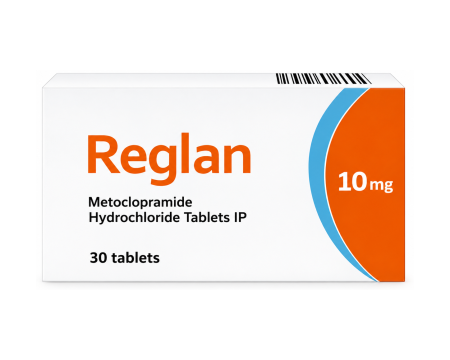


Drug Info
- Brand Name: Reglan
- Active Ingredient: Metoclopramide Hydrochloride
- Manufacturer: ANI Pharmaceuticals, Inc.
Active substance Metoclopramide Hydrochloride
Metoclopramide is a dopamine D₂-receptor antagonist with additional 5-HT₄ agonist and weak 5-HT₃ antagonist activity in the gastrointestinal tract and central nervous system. In the gut, it facilitates acetylcholine release in the myenteric plexus, increasing antral contractions and duodenal peristalsis while relaxing the pylorus. This coordinated action accelerates gastric emptying and small-bowel transit and increases lower-esophageal sphincter pressure, which can reduce post-prandial reflux episodes. Centrally, blockade of D₂ receptors in the chemoreceptor trigger zone yields antiemetic effects.
After oral administration, metoclopramide hydrochloride is absorbed with a typical onset within 30–60 minutes. Food can influence onset and exposure; many regimens specify dosing 30 minutes before meals and at bedtime to synchronize peak effect with gastric activity. The medicine crosses the blood–brain barrier, which is relevant to both antiemetic efficacy and the risk of central nervous system adverse effects (e.g., dystonia, akathisia). Renal function affects clearance; prescribers often adjust dose or frequency in renal impairment to reduce accumulation.
Indications for use
- Symptomatic treatment of nausea and vomiting in adults, including medication-related or postoperative causes, as directed by a clinician
- Diabetic gastroparesis (short-term use to improve gastric emptying and related symptoms) under specialist supervision
- Adjunct in diagnostic procedures where facilitation of gastric emptying is desired, according to local labeling and clinical judgment
Use is determined by the prescriber based on diagnosis and local regulatory guidance. Pediatric use is restricted in many regions due to a higher risk of extrapyramidal reactions; it should be considered only by specialists following applicable standards.
Treatment regimens and dosages
Use Reglan exactly as prescribed. Representative adult oral schedules include:
- Nausea and vomiting: 10 mg up to three or four times daily. Doses are often taken 30 minutes before meals and at bedtime for a limited period determined by the prescriber.
- Diabetic gastroparesis (short-term): 10 mg four times daily (before each meal and at bedtime). Clinical reassessment is essential; many guidelines advise limiting total duration to the shortest possible, often 2–8 weeks, to minimize neurological risks.
- Pre-procedure/diagnostic use: single doses per protocol to promote gastric emptying, as directed by the clinician.
General rules:
- Swallow tablets with water.
- Do not exceed the prescribed total daily dose.
- If significant drowsiness, restlessness, or other adverse effects occur, contact the prescriber—dose reduction or schedule adjustment may be required.
- Renal impairment: clinicians may lower dose or extend dosing intervals.
- Avoid concurrent use with other dopamine-antagonist medicines unless explicitly directed (additive neurological risk).
Recommendations for use
Take doses 30 minutes before meals and at bedtime unless your clinician advises otherwise. Keep a simple daily record of dosing, meals, nausea severity, vomiting episodes, and bowel movements; this helps evaluate response and guides adjustments. Avoid alcohol and unnecessary sedatives because they can increase drowsiness and impair coordination. If you take medicines that slow the gut (e.g., certain opioids or anticholinergics), discuss them with your prescriber; they may counteract metoclopramide’s prokinetic effect.
Because long-term exposure increases the risk of tardive dyskinesia, many care plans set a clear stop date with follow-up to review benefit. Do not prolong therapy or increase the dose on your own. If symptoms recur after stopping, contact your clinician to consider alternative strategies (dietary measures, non-dopaminergic prokinetics available in your region, antiemetic rotation, evaluation for underlying causes).
Missed Dose
If you miss a dose, take it as soon as you remember unless it is close to the next scheduled dose. Do not double the next dose. Resume the regular schedule. If multiple doses are missed or symptoms worsen, seek advice from your clinician.
Precautions
- Tardive dyskinesia: risk increases with longer duration and higher cumulative dose; may be irreversible. Limit therapy to the shortest necessary duration and discontinue if involuntary movements (e.g., grimacing, tongue movements) appear.
- Extrapyramidal symptoms (EPS): acute dystonic reactions (neck/jaw spasm, oculogyric crisis), akathisia, parkinsonism can occur, especially in younger adults and at higher doses. Seek medical care promptly if these develop.
- Depression and suicidality: use with caution in patients with a history of depression; report mood changes immediately.
- Neuroleptic malignant syndrome (NMS): rare but serious—features include hyperthermia, muscle rigidity, altered consciousness, autonomic instability. Stop the medicine and seek urgent care if suspected.
- Contraindications: gastrointestinal hemorrhage, mechanical obstruction or perforation; pheochromocytoma (risk of hypertensive crisis); history of tardive dyskinesia with dopamine-antagonists; epilepsy (may increase seizure risk); known hypersensitivity to metoclopramide.
- Renal/hepatic impairment: dose adjustment and closer monitoring may be required.
- Driving and hazardous tasks: drowsiness, dizziness, or visual disturbances can occur; assess individual response before such activities.
- Elderly patients: higher susceptibility to EPS and sedation—use the lowest effective dose and monitor closely.
Use during pregnancy
Metoclopramide has been used for nausea and vomiting in pregnancy under medical supervision. Decisions must be individualized by the prescriber, considering potential benefits and risks. If you are pregnant, planning pregnancy, or become pregnant during therapy, consult your clinician promptly. Metoclopramide is excreted in breast milk; discuss breastfeeding with your prescriber to determine the best approach for you and the infant.
Possible side effects
- Common: drowsiness, fatigue, restlessness/akathisia, headache, dizziness, diarrhea.
- Less common: insomnia, depression, elevated prolactin with galactorrhea or menstrual irregularities, rash.
- Neurological: acute dystonic reactions (more likely early in therapy or with dose increases), parkinsonism, tardive dyskinesia with prolonged use.
- Serious (seek urgent care): symptoms suggestive of NMS (high fever, muscle rigidity, confusion, fast pulse), seizures, severe allergic reaction (swelling, wheeze, widespread rash), uncontrolled movements, or severe hypertension (especially in pheochromocytoma).
If adverse effects occur, note timing relative to doses and meals and contact your clinician. Do not abruptly increase or prolong dosing to chase symptom control.
Metoclopramide: interaction with other drugs
- Levodopa and dopamine agonists: pharmacodynamic opposition; metoclopramide may reduce antiparkinsonian efficacy—avoid co-use unless a specialist directs otherwise.
- Antipsychotics and other dopamine antagonists (e.g., haloperidol, risperidone, prochlorperazine): additive risk of EPS and tardive dyskinesia.
- CNS depressants (alcohol, benzodiazepines, opioids, sedating antihistamines): enhanced sedation and psychomotor impairment.
- MAO inhibitors and serotonergic agents (SSRIs/SNRIs, linezolid): theoretical/rare risk of serotonin syndrome; monitor if co-used under medical supervision.
- Anticholinergics and opioid antidiarrheals: may counteract prokinetic action.
- Drugs affected by GI transit: accelerated gastric emptying can increase the absorption of some agents (e.g., cyclosporine) and decrease exposure of others (e.g., digoxin). Spacing or monitoring may be required; follow prescriber guidance.
- Strong CYP2D6 inhibitors/poor metabolizers: may increase metoclopramide levels; clinicians may adjust dose accordingly.
Always provide your clinician with an up-to-date list of prescription/OTC medicines, vitamins, and herbal supplements.
Analogs & Generics
Same active ingredient (metoclopramide — international examples)
- Maxolon (metoclopramide) — film-coated tablets
- Primperan (metoclopramide) — tablets and solution (region-specific)
- Metoclopramide tablets (Teva) — common strengths such as 10 mg
- Metoclopramide tablets (Sandoz/Hexal) — standard presentations
- Metoclopramide tablets (Accord/Actavis) — region-specific strengths
Drug analogs (different active ingredient, similar purpose — antiemetic/prokinetic options)
- Ondansetron — 5-HT₃ antagonist used for nausea and vomiting
- Domperidone — peripheral dopamine antagonist prokinetic (availability varies by country)
- Prochlorperazine — phenothiazine antiemetic for selected indications
- Promethazine — sedating antihistamine antiemetic (caution with CNS depression)
- Dimenhydrinate / Meclizine — antihistamines for motion-related nausea (non-prokinetic)
Storage
Store at 15–25°C in a dry place away from direct heat and sunlight. Keep tablets in the original packaging and out of the reach of children. Do not use after the expiry date printed on the pack.
Customer Experience – What to Expect
Many patients notice reduced nausea and improved meal tolerance within the first few doses, especially when tablets are taken 30 minutes before meals. Mild drowsiness or restlessness can appear early and often settles after dose timing is stabilized and alcohol is avoided. If stomach emptying improves, patients frequently report less early satiety and bloating and fewer post-meal symptoms. Keeping a brief diary of dose times, meals, and symptoms helps clinicians optimize the regimen and decide when to taper or stop. Because long-term use raises neurological risk, clinicians typically review progress within weeks and plan the shortest effective course.
FAQ
How quickly does Reglan start working?
Onset is typically 30–60 minutes after an oral dose taken before meals.
How long can I take Reglan?
Duration is as short as possible. Many plans limit use to 2–8 weeks for gastroparesis and avoid treatment beyond 12 weeks due to tardive dyskinesia risk, unless a clinician determines benefits outweigh risks.
Can I take Reglan with antacids or acid-suppressing therapy?
Yes, if prescribed together. Take Reglan as directed relative to meals; your clinician may advise how to space other medicines.
What if I develop restlessness or muscle spasms?
Stop additional doses and contact a clinician promptly. These may be extrapyramidal symptoms that require medical evaluation.
Is Reglan sedating?
Drowsiness can occur. Avoid alcohol and assess your response before driving or performing hazardous tasks.
Does Reglan interact with my Parkinson’s medicine?
Yes. It can oppose levodopa or dopamine agonists; consult your specialist for alternatives.
The best offer for Reglan online on the market
Right now you can buy Reglan in our online pharmacy. If you are looking for the best place to order Reglan or other medicines containing metoclopramide, then you have come to the right place.
Advantages of our pharmacy:
- Confidentiality. Most people prefer to keep gastrointestinal treatment private. By ordering Reglan online, you avoid unnecessary face-to-face discussions.
- Price. Buying Reglan online is more beneficial than purchasing at a clinic or local pharmacy.
- Quantity. Doctors often issue a prescription for one or two packs. Our pharmacy allows you to buy the required number of Reglan packs to ensure an adequate supply.
- Convenience. You make a purchase at a convenient time for you, without sacrificing service or security. You do not need to make an appointment or visit a clinic.
- Information. On our website, you can find details on dosage, side effects, safe use, and other information necessary for treatment.
We work hard to provide the best possible customer service and to ensure that our medications help control nausea and support healthy gastric motility under medical supervision.









