



Drug Info
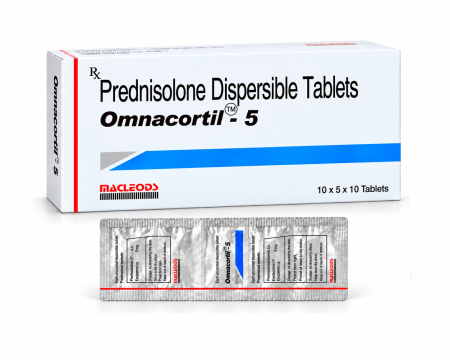
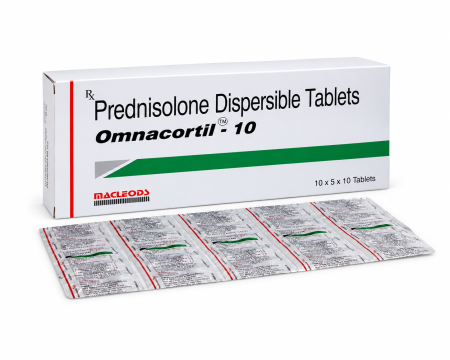
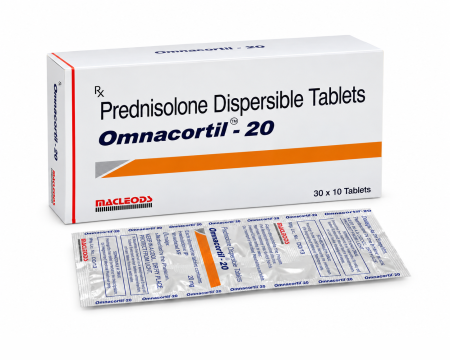
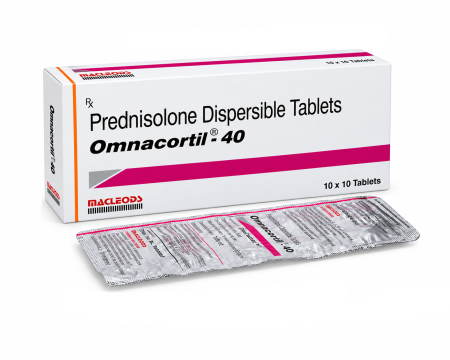
- Brand Name: Prednisolone
- Active Ingredient: Prednisolone
- Manufacturer: Axplora
Prednisolone and its active substance
Prednisolone is a synthetic glucocorticoid that binds intracellular glucocorticoid receptors. The receptor–drug complex alters transcription of inflammatory genes, decreases production of cytokines and chemokines, stabilizes lysosomal membranes, reduces capillary permeability, and diminishes leukocyte trafficking. These effects collectively dampen acute and chronic inflammation and suppress inappropriate immune responses.
After oral administration, prednisolone is well absorbed and reaches peak plasma levels within a few hours. It circulates bound to plasma proteins and is metabolized hepatically; metabolites are excreted in urine. Clinical response depends on dose, timing, disease biology, and patient factors such as age, comorbidities, and concomitant medicines. Compared with prednisone (a prodrug), prednisolone is the active form and is preferred when hepatic conversion might be impaired.
Indications for use
Use is determined by your clinician according to regional labeling and guidelines. Common indications include:
- Allergic and respiratory: asthma exacerbations, severe allergic reactions (as adjunct after acute care), hypersensitivity dermatitis, allergic rhinitis flares
- Rheumatologic and musculoskeletal: rheumatoid arthritis flares, polymyalgia rheumatica, gout flares (when NSAIDs/colchicine unsuitable)
- Gastrointestinal: inflammatory bowel disease flares (Crohn’s disease, ulcerative colitis)
- Renal: nephrotic syndrome (e.g., minimal change disease) per protocol
- Hematologic/oncology: immune thrombocytopenia, autoimmune hemolysis, adjunctive antiemetic or edema management in specific settings
- Ocular and dermatologic: uveitis, severe eczema/psoriasis flares (systemic use when topical therapy is inadequate)
- Other immune/inflammatory conditions as directed by a specialist
Treatment regimens and dosages
Use Prednisolone exactly as prescribed. Dosing is highly individualized and may change during treatment.
- General adult dosing: commonly 5–60 mg per day, given once daily in the morning or in divided doses for severe disease. Short courses often start higher and taper over days to weeks.
- Asthma exacerbation (example): 40–50 mg once daily for 5–7 days (no taper usually needed for very short courses).
- Allergic reactions/dermatitis (example): 20–40 mg daily, then taper based on response.
- Rheumatologic flares (example): 10–20 mg daily, then gradual reduction to the lowest effective dose; chronic use usually paired with steroid-sparing drugs.
- Inflammatory bowel disease flare (example): 40 mg daily, taper by clinician plan as symptoms and biomarkers improve.
- Nephrotic syndrome and other specialist protocols: dosing, duration, and taper schedules are protocol-based and require close monitoring.
Tapering: If treatment lasts >2 weeks, your clinician typically reduces the dose gradually to prevent adrenal suppression and symptom rebound. Never change dose or stop abruptly without guidance.
Administration: Take with food or milk to reduce stomach irritation. Morning dosing aligns with the body’s natural cortisol rhythm and may reduce insomnia.
Recommendations for use
- Keep a daily log of dose, symptoms, sleep, blood pressure, weight, and any adverse effects.
- Follow gastric protection advice if you have ulcer risk or need concurrent NSAIDs.
- Maintain calcium/vitamin D intake and consider weight-bearing exercise; long-term users may need bone density monitoring and osteoporosis prevention.
- Monitor blood glucose, especially if you have diabetes or risk factors; prednisolone can raise glucose levels.
- Practice infection precautions (hand hygiene, avoid close contact with sick individuals); report fever, persistent sore throat, or localized infections promptly.
- For ocular disease or long courses, arrange regular eye checks (cataract/glaucoma surveillance).
- Carry a steroid treatment card or note your current dose in your phone for emergencies.
Missed Dose
Take the missed dose when remembered unless it is close to the next dose. Do not double the next dose. If several doses are missed, contact your clinician—re-titration may be needed for longer courses.
Precautions
- Infection risk: systemic steroids increase susceptibility to infections and can mask typical signs. Seek care for fever, productive cough, painful urination, or localized redness/swelling.
- Metabolic/psychiatric: may cause hyperglycemia, fluid retention, blood-pressure elevation, mood changes (euphoria, irritability, low mood), and insomnia—especially at higher doses.
- GI: risk of gastritis/ulcer; risk increases with NSAIDs, alcohol excess, or prior ulcer history.
- Bone/eye: long-term use can cause osteoporosis, osteonecrosis, cataracts, and glaucoma—preventive and monitoring strategies are essential.
- Endocrine: prolonged therapy suppresses the HPA axis—stress-dose steroids may be needed during surgery or major illness; never stop abruptly after extended courses.
- Cardiovascular/renal: may worsen hypertension or edema; monitor blood pressure and electrolytes (especially potassium).
- Pediatrics: may affect growth with chronic use; specialist oversight required.
- Contraindications/cautions: systemic fungal infections; live vaccines during immunosuppressive doses; severe uncontrolled comorbidities require individualized risk assessment.
Use during pregnancy
Use is individualized: prednisolone may be prescribed when benefits outweigh risks; clinicians aim for the lowest effective dose and shortest duration. Monitor blood pressure, glucose, and fetal growth as advised. During breastfeeding, small amounts can pass into milk; timing feeds several hours after dosing and monitoring the infant (for poor weight gain or irritability) may be considered—discuss with your clinician.
Possible side effects
- Common (dose-related): increased appetite and weight gain, fluid retention, facial flushing, mood changes, insomnia, heartburn, elevated blood pressure, elevated blood sugar, acne or skin thinning, muscle weakness.
- Less common: menstrual irregularities, delayed wound healing, easy bruising, dyspepsia, headaches.
- Serious—seek medical attention: vision changes or eye pain, black/tarry stools, severe abdominal pain, signs of infection (fever, productive cough), severe mood or behavior change, swelling of legs with shortness of breath, sudden severe muscle or bone pain (possible fracture or osteonecrosis), symptoms of adrenal crisis (extreme fatigue, dizziness, vomiting) after abrupt reduction.
Record timing and severity; share with your clinician to refine dosing and prevention measures.
Prednisolone: interaction with other drugs
- Enzyme inducers (e.g., rifampin, carbamazepine, phenytoin, St. John’s wort) can lower steroid exposure—dose adjustment may be required.
- Enzyme inhibitors/boosters (e.g., ketoconazole, itraconazole, ritonavir/cobicistat) can raise exposure—monitor for steroid toxicity.
- NSAIDs, aspirin, alcohol: increase GI ulcer/bleed risk; use gastric protection if indicated.
- Warfarin: INR may change—closer monitoring is needed.
- Antidiabetic medicines: prednisolone can raise glucose—dose adjustments and more frequent monitoring may be needed.
- Diuretics (especially loop/thiazide): risk of hypokalemia; monitor potassium, particularly with digoxin.
- Vaccines: avoid live vaccines during immunosuppressive dosing; inactivated vaccines may be less effective but are generally recommended per schedule.
Always provide your clinician with a complete list of prescription/OTC medicines, vitamins, and herbal supplements.
Analogs & Generics
Same active ingredient (prednisolone — international examples)
- Prednisolone tablets (Teva, Sandoz/Hexal, Accord/Actavis, Viatris/Mylan) — common strengths 5 mg, 10 mg, 20 mg
- Prednisolone oral solution (various manufacturers) — for patients with swallowing difficulties
- Prednisolone dispersible tablets — region-dependent presentations
Drug analogs (different active ingredient, similar therapeutic purpose — systemic glucocorticoids)
- Prednisone — prodrug converted to prednisolone; similar indications
- Methylprednisolone — often used in tapers or IV pulses (e.g., methylprednisolone dose packs, IV for severe flares)
- Dexamethasone — higher potency/longer duration; selected protocols (e.g., cerebral edema, antiemesis)
- Hydrocortisone — lower potency glucocorticoid/mineralocorticoid effects; adrenal insufficiency and acute stress dosing
Storage
Store at 15–25°C in a dry place away from direct heat and sunlight. Keep tablets in the original packaging and out of the reach of children. Follow label guidance for oral solutions (protect from freezing). Do not use after the expiry date printed on the pack.
Customer Experience – What to Expect
Many patients notice symptom relief within 24–48 hours, especially for asthma flares, allergic reactions, or joint inflammation. Sleep disturbance, a “wired” feeling, or increased appetite can occur during the first days—taking the dose in the morning with food and limiting caffeine often helps. With longer courses, effects such as facial puffiness, fluid retention, or mood changes may appear; proactive strategies (dietary sodium moderation, regular walks, sleep hygiene) and clinician check-ins help maintain comfort. If your plan includes a taper, expect small dose reductions at set intervals; note any flare of symptoms and share your log so the taper can be adjusted safely.
FAQ
Do I need to take prednisolone with food?
Yes—taking it with food or milk helps protect the stomach.
How long will I need it?
Duration depends on your condition. Short courses may last 5–14 days; chronic diseases sometimes need longer with a taper or steroid-sparing plan.
Can I stop suddenly?
Not after more than a brief course. Longer use requires a gradual taper under medical supervision to prevent adrenal suppression and rebound inflammation.
What about vaccines?
Avoid live vaccines while on immunosuppressive doses. Inactivated vaccines are generally recommended, though responses may be reduced—ask your clinician.
Will it raise my blood sugar or blood pressure?
It can. Monitor regularly, particularly if you have diabetes or hypertension; your medicine doses may need adjustment.
How can I protect my bones and eyes?
Ensure calcium/vitamin D, weight-bearing exercise, and periodic bone density and eye checks if using long term.
Is alcohol allowed?
If you drink, keep it moderate—alcohol plus steroids increases stomach irritation and may worsen blood pressure and sleep.
The best offer for Prednisolone online on the market
Right now you can buy Prednisolone in our online pharmacy. If you are looking for the best place to order Prednisolone or other medicines containing prednisolone, then you have come to the right place.
Advantages of our pharmacy:
- Confidentiality. Most people prefer to keep their treatment private. By ordering Prednisolone online, you avoid unnecessary face-to-face discussions.
- Price. Buying Prednisolone online is more beneficial than purchasing at a clinic or local pharmacy.
- Quantity. Doctors often issue a prescription for one or two packs. Our pharmacy allows you to buy the required number of Prednisolone packs to ensure an adequate supply.
- Convenience. You make a purchase at a convenient time for you, without sacrificing service or security. You do not need to make an appointment or visit a clinic.
- Information. On our website, you can find details on dosage, side effects, safe use, and other necessary information.
We work hard to provide the best possible customer service and to ensure that our medications help control inflammation and immune-mediated disease safely and effectively under medical supervision.









