



Drug Info
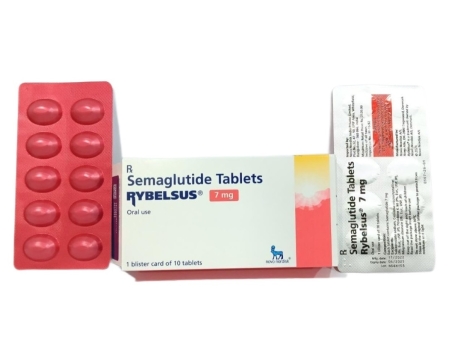
- Brand Name: Rybelsus
- Active Ingredient: Semaglutide
- Manufacturer: Novo Nordisk
Rybelsus tablets vs Ozempic injections: the same active ingredient in a different form
Rybelsus tablets and Ozempic injections contain the same active substance, Semaglutide, and both belong to the GLP-1 receptor agonist class. This is the main reason the two medicines are often discussed together. They act on the same biological receptor system and share several important pharmacological effects, including improved glucose-dependent insulin secretion, suppression of excessive glucagon release, effects on appetite and satiety, and reductions in body weight observed during treatment. However, they are different pharmaceutical formulations and should not be treated as identical products or converted from one to the other on a milligram-for-milligram basis.
The most obvious difference is how the medicine enters the body. Rybelsus is taken orally every day. The tablet contains Semaglutide together with an absorption-enhancing excipient that allows a small proportion of the peptide medicine to be absorbed through the stomach. Because oral absorption of Semaglutide is sensitive to food, water volume, and other medicines, Rybelsus has specific administration requirements: it should be taken on an empty stomach after the overnight fasting period with a small amount of plain water, and the patient should then wait at least 30 minutes before eating, drinking anything other than water, or taking other oral medicines. Ozempic injection bypasses gastrointestinal absorption and is injected under the skin once weekly. It does not require the same fasting routine, but it requires the patient to use an injection device.
For people who dislike needles, experience anxiety around self-injection, have difficulty handling an injection pen, or simply prefer swallowing a tablet, Rybelsus may be the more comfortable option. There is no needle, no injection site, and no need to learn the mechanics of a weekly subcutaneous injection. At the same time, convenience is individual: some patients prefer a once-weekly injection because they do not need to remember a tablet every morning, while others strongly prefer a daily tablet despite its fasting requirements. The appropriate formulation should therefore be selected according to the patient's clinical needs, treatment goals, adherence habits, tolerance, and preference.
| Feature | Rybelsus | Ozempic injection |
|---|---|---|
| Active ingredient | Semaglutide | Semaglutide |
| Dosage form | Oral tablet | Solution for injection in a prefilled pen |
| Route | By mouth | Subcutaneous injection |
| Typical frequency | Once daily | Once weekly |
| Needle required | No | Yes |
| Food requirements | Empty stomach; wait at least 30 minutes before food, drinks or other oral medicines | Not dependent on meals |
| Effect on blood glucose | Improves glycaemic control | Improves glycaemic control |
| Effect on appetite | Can reduce appetite and increase satiety | Can reduce appetite and increase satiety |
| Effect on body weight | Weight reduction may occur during treatment | Weight reduction may occur during treatment |
| Main convenience consideration | Avoids injections but requires a strict morning routine | Weekly dosing but requires injection |
Rybelsus should not be viewed simply as an Ozempic injection placed into a tablet. Oral Semaglutide has different absorption characteristics, different dosage strengths, and a different administration schedule. A Rybelsus 14 mg tablet is therefore not equivalent to a 14 mg injection, and the numerical doses of oral and injectable Semaglutide cannot be directly compared. Switching between formulations should be carried out according to medical guidance rather than by independently matching dose numbers.
Rybelsus and Weight Loss
One of the most discussed effects of Semaglutide is its influence on appetite and body weight. Semaglutide mimics the activity of glucagon-like peptide-1, or GLP-1, a naturally occurring hormone involved in glucose regulation and appetite signalling. GLP-1 receptors are present in several tissues, including areas of the nervous system involved in hunger and food intake. When these receptors are activated, many patients experience earlier satiety during a meal, a longer feeling of fullness after eating, and reduced hunger between meals. This can make it easier to consume fewer calories without relying only on conscious restriction.
Semaglutide can also slow gastric emptying, particularly during the earlier stages of treatment, which can contribute to prolonged fullness after meals. Together with central appetite effects, this helps explain why reductions in body weight are frequently observed during treatment. Clinical studies of oral Semaglutide in people with type 2 diabetes have demonstrated reductions in body weight, although the amount lost varies considerably between patients. Some people experience a noticeable reduction in appetite and weight, while others have a more modest response. Treatment duration, dose, diet, activity level, baseline weight, metabolic condition, and individual sensitivity to Semaglutide all influence the result.
Rybelsus 3 mg, 7 mg and 14 mg should not be presented as guaranteeing weight loss or as an obesity medicine simply because it contains Semaglutide. Its primary authorised use is type 2 diabetes. Other Semaglutide products and doses have specific weight-management indications, but the regulatory indication of one Semaglutide product should not automatically be transferred to another. Nevertheless, weight reduction is a clinically relevant effect of Rybelsus treatment and can be particularly beneficial for people with type 2 diabetes who are also overweight. A reduction in body weight may support broader metabolic health alongside improvements in blood glucose.
The most realistic expectation is gradual change rather than rapid weight loss. Semaglutide treatment is normally started at a low dose and increased gradually, partly to improve gastrointestinal tolerability. Appetite changes may appear before the full metabolic effect is established, while changes in body weight accumulate over weeks and months. A balanced diet, adequate protein and nutrient intake, regular physical activity, sufficient hydration, and sustainable eating habits remain important because Semaglutide supports appetite control rather than replacing healthy lifestyle measures.
Rybelsus for Type 2 Diabetes
Rybelsus is authorised for adults with insufficiently controlled type 2 diabetes mellitus to improve glycaemic control as an adjunct to diet and exercise. It may be used on its own when metformin is considered inappropriate because of intolerance or contraindications, or it may be combined with other medicines used for diabetes. Its glucose-lowering effect is closely linked to the GLP-1 receptor system and is largely glucose dependent, meaning that insulin secretion is stimulated more strongly when blood glucose is elevated.
Semaglutide increases insulin secretion from pancreatic beta cells when glucose levels are high and decreases excessive glucagon secretion. Glucagon is a hormone that stimulates the liver to release glucose into the bloodstream, so reducing inappropriate glucagon activity helps control fasting and post-meal glucose. Semaglutide also influences appetite and gastrointestinal function, which can indirectly improve metabolic control by reducing caloric intake and supporting weight reduction.
Rybelsus is not a substitute for appropriate nutrition, physical activity, and regular monitoring of diabetes. Treatment response is commonly assessed using blood glucose measurements and HbA1c, which reflects average blood glucose over a longer period. The medicine may be particularly useful for people who require GLP-1 receptor agonist therapy but prefer an oral option instead of routine injections.
Active substance Semaglutide
Semaglutide is a GLP-1 receptor agonist with structural similarity to human GLP-1. Natural GLP-1 is released from the intestine in response to food and plays an important role in glucose regulation and appetite control. Semaglutide binds to and activates the same receptor, but it has been modified to resist rapid enzymatic degradation and remain active in the body much longer than naturally occurring GLP-1. This long biological half-life allows stable pharmacological activity despite the relatively low and variable absorption that occurs after oral administration.
Oral delivery of a peptide such as Semaglutide is technically difficult because peptides are normally degraded in the gastrointestinal tract and poorly absorbed. Rybelsus therefore combines Semaglutide with salcaprozate sodium, an absorption enhancer that facilitates uptake through the stomach. Even with this technology, oral bioavailability remains low, which explains why administration conditions are important. Food, larger volumes of water, or taking another oral medicine too soon after Rybelsus may reduce Semaglutide absorption and make exposure less predictable.
Once absorbed, Semaglutide has several complementary effects. It increases glucose-dependent insulin release, decreases glucagon secretion when glucose is elevated, influences appetite centres, increases satiety, and may delay gastric emptying. These mechanisms explain why Rybelsus can simultaneously improve glycaemic control and be associated with reductions in body weight. Because Semaglutide remains in the circulation for a prolonged period, steady-state exposure develops gradually and dose escalation is performed slowly rather than changing the dose every few days.
Indications for use
Rybelsus is used for:
- Improvement of glycaemic control in adults with type 2 diabetes mellitus together with appropriate diet and physical activity.
- Monotherapy when metformin is unsuitable because of intolerance or contraindications.
- Combination treatment with other glucose-lowering medicines when additional glycaemic control is required.
- Reduction of elevated fasting and post-meal blood glucose as part of a structured diabetes treatment plan.
- Support of broader metabolic control in patients who may also experience reduced appetite and body weight during Semaglutide therapy.
Rybelsus 3 mg, 7 mg and 14 mg is not authorised as a treatment for type 1 diabetes and should not be used as a replacement for insulin when insulin therapy is medically required. Although body-weight reduction is commonly observed with Semaglutide, these Rybelsus strengths should not be presented as a specifically approved obesity medicine.
Treatment regimens and dosages
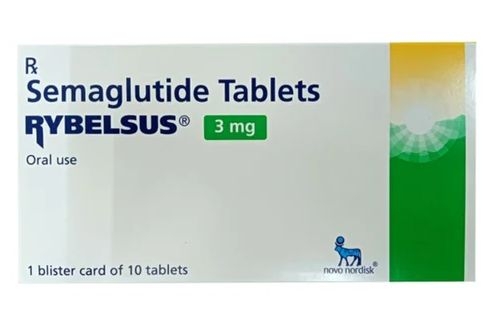
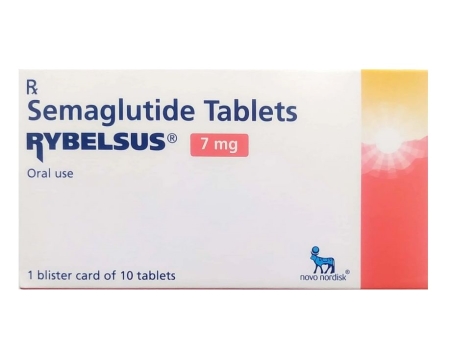
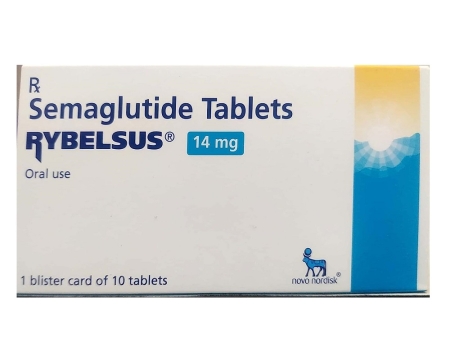
For the 3 mg, 7 mg and 14 mg formulation, treatment is usually started with Rybelsus 3 mg once daily for the first 30 days. This introductory dose is used primarily to allow the body to adapt to Semaglutide and reduce gastrointestinal intolerance; it is not intended as the long-term dose for full glycaemic control. After 30 days, the dose is normally increased to 7 mg once daily. If additional glycaemic control is required after at least 30 days at 7 mg, the dose may be increased to 14 mg once daily. The dose should be changed only according to the prescribed treatment plan.
Rybelsus should be taken once daily on an empty stomach after the overnight fasting period. Swallow one tablet whole with a small amount of plain water, generally up to approximately 120 mL. Do not split, crush, chew, or dissolve the tablet. After taking Rybelsus, wait at least 30 minutes before eating, drinking beverages, or taking another oral medicine. Waiting less than 30 minutes can reduce absorption of Semaglutide and may make the treatment less effective.
The 7 mg and 14 mg doses are maintenance strengths in this formulation. Patients should not take two 7 mg tablets as a substitute for one 14 mg tablet unless specifically instructed according to the relevant product information, and different Semaglutide formulations should not be converted milligram for milligram. Injectable Ozempic uses much smaller numerical doses because subcutaneous administration and oral administration have very different bioavailability.
Recommendations for use
The most important practical rule with Rybelsus is consistency. Take it immediately after waking or after another overnight fasting period, before breakfast, coffee, juice, supplements, or other medicines. Use plain water only and keep the volume small. After swallowing the tablet, wait at least 30 minutes before consuming anything else. Creating the same morning routine every day can make correct administration considerably easier.
Nausea, early fullness, reduced appetite, and other gastrointestinal effects are most common during dose initiation and escalation. Smaller meals, eating more slowly, stopping when comfortably full, avoiding very large or high-fat meals, and maintaining adequate hydration may improve tolerability. Because appetite can decrease substantially in some patients, it is still important to consume nutritionally balanced food rather than simply eating as little as possible.
Blood glucose should be monitored according to the treatment plan, particularly when Rybelsus is combined with insulin or a sulfonylurea. Contact a healthcare professional if persistent vomiting or diarrhea causes dehydration, if severe abdominal pain develops, if vision suddenly changes, or if side effects prevent adequate food or fluid intake.
Missed Dose
If a dose of Rybelsus is missed, skip the missed dose and take the next dose the following day according to the normal schedule. Do not take an additional tablet later in the day and do not take two doses together to compensate for the missed tablet. Returning to the normal once-daily routine is preferable to trying to replace the missed dose.
Precautions
Rybelsus should be used with particular care in patients with a history of pancreatitis, diabetic retinopathy, significant gastrointestinal disease, kidney impairment associated with dehydration risk, or conditions in which delayed gastric emptying may be clinically important. Severe and persistent abdominal pain, especially if it radiates to the back and is accompanied by nausea or vomiting, requires prompt medical evaluation because acute pancreatitis is a recognised serious adverse reaction associated with GLP-1 receptor agonists.
Gastrointestinal reactions such as nausea, vomiting and diarrhea can result in dehydration. Significant fluid loss may worsen kidney function, particularly in people with existing renal impairment. Semaglutide can also be associated with gallbladder problems, including gallstones and inflammation of the gallbladder. Rapid improvement in glucose control may temporarily worsen diabetic retinopathy in susceptible patients, so individuals with pre-existing diabetic eye disease may require closer ophthalmological monitoring.
The risk of hypoglycaemia with Rybelsus alone is relatively low because its insulin-stimulating action is glucose dependent. However, the risk increases when it is combined with insulin or sulfonylureas, and the dose of those medicines may need to be reviewed. Because Semaglutide delays gastric emptying, patients undergoing surgery or procedures requiring deep sedation should inform the medical team that they are taking a GLP-1 receptor agonist.
Use during pregnancy
Rybelsus should not be used during pregnancy. Semaglutide remains in the body for an extended period after the final dose, so treatment should be discontinued at least two months before a planned pregnancy. Patients who become pregnant while using Rybelsus should contact their healthcare professional to discuss discontinuation and an appropriate alternative treatment strategy for diabetes.
Rybelsus is also generally not recommended during breastfeeding. The decision about diabetes treatment during breastfeeding should take into account maternal glycaemic control, the available safety information, and suitable alternative medicines.
Possible side effects
The most common adverse effects of Rybelsus involve the gastrointestinal system and are usually most noticeable when treatment is started or when the dose is increased. Nausea, diarrhea, vomiting, abdominal pain, constipation, dyspepsia, decreased appetite, abdominal distension, reflux symptoms, and increased burping can occur. For many patients, these reactions become less pronounced as the body adapts to the medicine.
- Common gastrointestinal effects: nausea, diarrhea, vomiting, abdominal discomfort, constipation, indigestion, reduced appetite and abdominal fullness.
- Hypoglycaemia: mainly when Rybelsus is combined with insulin or a sulfonylurea.
- Gallbladder problems: gallstones or inflammation of the gallbladder may occur.
- Eye complications: diabetic retinopathy can worsen in some patients, particularly when glucose control improves rapidly.
- Dehydration and kidney problems: prolonged vomiting or diarrhea can lead to fluid depletion and deterioration in kidney function.
- Serious warning symptoms: severe persistent abdominal pain, significant dehydration, severe allergic reaction, sudden major vision changes, or symptoms suggestive of gallbladder disease require medical evaluation.
A decrease in appetite is an expected pharmacological effect for many patients and can contribute to weight reduction, but persistent inability to eat or drink adequately should not be considered a desirable treatment effect and should be discussed with a healthcare professional.
Semaglutide: interaction with other drugs
Semaglutide has a relatively low potential for direct metabolic drug interactions because it is not primarily cleared through the major cytochrome P450 pathways responsible for many common interactions. The more important consideration with Rybelsus is its effect on gastric emptying and the strict conditions required for oral absorption. Other oral medicines should generally not be taken at the same time as Rybelsus; patients should wait at least 30 minutes after taking Rybelsus before taking another oral medication.
Exposure to levothyroxine can be increased when it is administered in association with oral Semaglutide, so thyroid parameters may require additional monitoring in patients receiving thyroid hormone replacement. When Rybelsus is combined with insulin or sulfonylureas, the risk of hypoglycaemia increases and the doses of these medicines may need to be adjusted. Patients taking medicines with a narrow therapeutic range or medicines for which precise absorption is important should discuss the timing and monitoring requirements with their healthcare professional.
Analogs & Generics
Same active ingredient (semaglutide — international examples)
- Ozempic injection (Novo Nordisk) — once-weekly subcutaneous Semaglutide used for glycaemic control in adults with type 2 diabetes
- Wegovy (Novo Nordisk) — Semaglutide formulation developed for chronic weight management in appropriate patients
- Oral Semaglutide tablets (Novo Nordisk) — once-daily tablet formulations with specific fasting and administration requirements
- Semaglutide prefilled pens — subcutaneous presentations designed for once-weekly administration
- Semaglutide tablets — oral presentations using an absorption-enhancing formulation to enable gastrointestinal uptake
Drug analogs (different active ingredient, same purpose — GLP-1-based or metabolic therapy as clinically appropriate)
- Mounjaro (tirzepatide) — dual GIP/GLP-1 receptor agonist used for type 2 diabetes and associated with substantial effects on glucose and body weight
- Trulicity (dulaglutide) — once-weekly injectable GLP-1 receptor agonist for type 2 diabetes
- Victoza (liraglutide) — once-daily injectable GLP-1 receptor agonist used for glycaemic control
- Jardiance (empagliflozin) — SGLT2 inhibitor used for type 2 diabetes with additional cardiovascular and renal benefits in appropriate patients
- Metformin — commonly used oral glucose-lowering medicine that reduces hepatic glucose production and improves insulin sensitivity
(Selection of treatment depends on glycaemic targets, body-weight goals, cardiovascular and renal status, gastrointestinal tolerance, previous therapy, patient preference, and clinician assessment.)
Storage
Store Rybelsus in the original packaging according to the temperature limits indicated on the pack, protected from moisture and excessive heat. Keep the tablets in their original blister until they are required because exposure to moisture can affect the product. Store the medicine out of the sight and reach of children and do not use tablets after the printed expiration date.
Customer Experience – What to Expect
Rybelsus does not usually produce its full effect immediately. The first month at 3 mg is primarily an initiation period designed to improve tolerability, and stronger effects on blood glucose, appetite and body weight are generally expected after progression to maintenance dosing. Some patients notice reduced hunger or earlier fullness relatively early, while measurable changes in HbA1c and body weight develop progressively over weeks and months. The absence of dramatic appetite suppression during the first days does not mean that the medicine is ineffective.
For patients who previously considered Ozempic injections but were uncomfortable with needles, Rybelsus can make Semaglutide therapy psychologically easier because administration involves swallowing a tablet rather than performing an injection. On the other hand, Rybelsus requires a disciplined morning routine every day, whereas Ozempic injection is typically administered once weekly. The more convenient option therefore depends on whether the individual places greater value on avoiding injections or on less frequent dosing.
Weight reduction should be viewed as gradual and individual. Some patients lose more weight than others, and the effect may become more noticeable as the maintenance dose is reached and treatment continues. Semaglutide can make it easier to feel satisfied with smaller portions, but it does not remove the need for adequate nutrition and physical activity. Treatment works best when the reduced appetite is used to support sustainable eating habits rather than extreme calorie restriction.
FAQ
Is Rybelsus the same as Ozempic?
Rybelsus and Ozempic injections contain the same active ingredient, Semaglutide, but they are different pharmaceutical formulations. Rybelsus is an oral tablet taken daily, while Ozempic injection is administered subcutaneously, usually once weekly. Their doses are not interchangeable milligram for milligram.
Can Rybelsus help with weight loss?
Semaglutide reduces appetite, increases satiety and can reduce food intake. Clinical treatment with Rybelsus has been associated with reductions in body weight, but the amount of weight lost varies and no individual result can be guaranteed. Rybelsus 3 mg, 7 mg and 14 mg is primarily authorised for type 2 diabetes rather than as a specific obesity medicine.
Why might someone choose Rybelsus instead of Ozempic injections?
Rybelsus avoids the need for self-injection and may be preferable for people who dislike needles or find injection pens difficult or uncomfortable to use. However, Rybelsus must be taken every day under specific fasting conditions, while Ozempic injection is normally used once weekly.
How should Rybelsus be taken?
Take one tablet once daily on an empty stomach after the overnight fasting period with a small amount of plain water. Swallow it whole and wait at least 30 minutes before eating, drinking anything else, or taking another oral medicine.
How long does it take for Rybelsus to work?
Blood glucose and appetite effects develop progressively. The first 30 days at 3 mg are mainly an initiation period, followed by maintenance treatment at 7 mg or, when appropriate, 14 mg. Full changes in HbA1c and body weight usually require weeks to months rather than a few days.
Can I switch directly from Ozempic injection to Rybelsus?
A switch should be planned by a healthcare professional. Oral and injectable Semaglutide have different absorption, strengths, and dosing schedules, so the dose numbers cannot simply be matched.
The best offer for Rybelsus online on the market
Right now you can buy Rybelsus in our online pharmacy. If you are looking for the best place to order Rybelsus or other medicines containing Semaglutide, then you have come to the right place.
Advantages of our pharmacy:
- Confidentiality. Most people prefer to keep their treatment private. By ordering Rybelsus online, you avoid unnecessary face-to-face discussions.
- Price. Buying Rybelsus online is more beneficial than purchasing at a clinic or local pharmacy.
- Quantity. Doctors usually issue a prescription for one or two packs. Our pharmacy allows you to buy the required number of Rybelsus packs to ensure an adequate supply.
- Convenience. You make a purchase at a convenient time for you, without sacrificing service or security. You do not need to make an appointment or visit a clinic.
- Information. On our website, you can find out about dosage, side effects, safe use, weight-related effects, comparison with Ozempic injections, and other information necessary for treatment.
We work hard to provide the best possible customer service and to ensure that our medications help patients achieve the intended therapeutic effect.









