

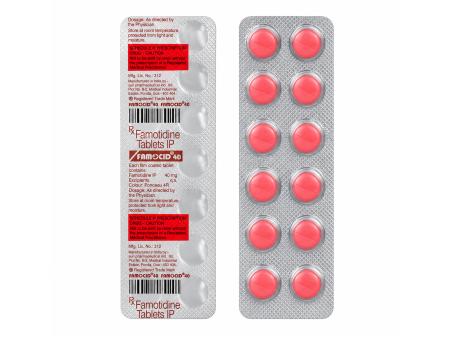


Drug Info
- Brand Name: Pepcid
- Active Ingredient: Famotidine
- Manufacturer: Kenvue (formerly Johnson & Johnson Consumer Health)
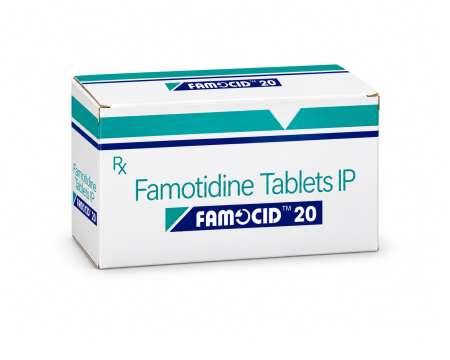
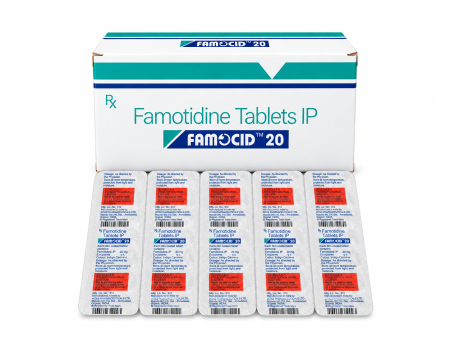
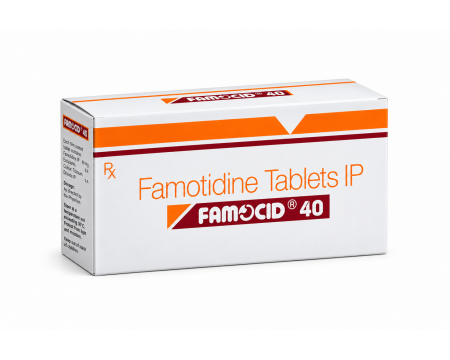
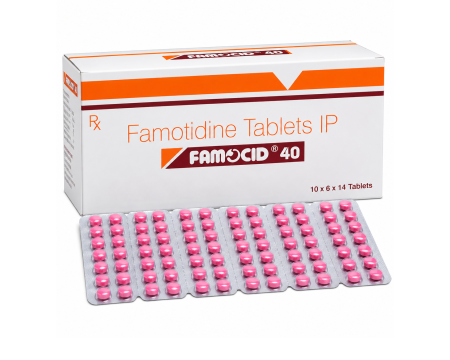
Active substance Famotidine
Famotidine selectively inhibits H2 receptors on gastric parietal cells, reducing cAMP-mediated activation of the proton pump that secretes hydrochloric acid. This decreases both daytime and nocturnal acid output and lowers the acidity of gastric contents. Symptom relief often begins within 1 hour, with effects that can persist up to 10–12 hours depending on dose and stimulus.
Oral bioavailability is reliable and food has minimal impact on overall exposure, though very high-fat meals may delay onset. Famotidine is eliminated primarily by the kidneys with minimal hepatic metabolism, contributing to a low potential for cytochrome-mediated drug interactions. In renal impairment, accumulation can occur; clinicians typically lower the dose or extend dosing intervals to reduce central nervous system effects (e.g., confusion in frail older adults) and rare cardiac effects in severe renal dysfunction.
Tolerability is generally good. Headache, dizziness, constipation or diarrhea are the most common reactions and are usually mild and transient. As with all acid-reducing therapies, prolonged use should be periodically reviewed to confirm ongoing need and to reassess for alarm features (e.g., dysphagia, bleeding, weight loss).
Indications for use
- Symptomatic relief of heartburn and acid indigestion, including prevention before trigger foods/drinks
- Gastroesophageal reflux disease (GERD) — relief of symptoms and healing/maintenance of erosive esophagitis as directed by a clinician
- Duodenal or gastric ulcer — short-term treatment and maintenance therapy where appropriate
- Pathological hypersecretory conditions (e.g., Zollinger–Ellison syndrome) — specialist-directed regimens
Use is determined by the prescriber according to local labeling and individual assessment.
Treatment regimens and dosages
Use Pepcid exactly as prescribed. Representative adult oral schedules:
- Episodic heartburn/acid indigestion (on demand):
10–20 mg once; may repeat every 12 hours if needed. For prevention, take 10–20 mg 15–60 minutes before trigger foods or drinks. Do not exceed the maximum daily dose on the label or your clinician’s advice. - GERD (symptomatic relief/healing):
20 mg twice daily for up to 6–12 weeks. Maintenance dosing may be 20 mg once daily at bedtime or 20 mg twice daily, per prescriber guidance. - Duodenal ulcer (short-term):
40 mg at bedtime (or 20 mg twice daily) for up to 8 weeks. Maintenance: 20 mg at bedtime as directed. - Gastric ulcer (short-term):
40 mg at bedtime for up to 8 weeks, per clinician judgment. - Hypersecretory states (specialist care):
Initial 20 mg every 6 hours; higher total daily doses may be required under specialist supervision.
General rules: swallow tablets with water; avoid exceeding prescribed dose/frequency. In renal impairment (e.g., CrCl <50 mL/min), clinicians often reduce the dose by 50% or extend the dosing interval (e.g., every 24–36 hours).
Recommendations for use
Take evening doses at bedtime to better control nocturnal acid. Identify and limit personal triggers (late heavy meals, alcohol, mint, chocolate, coffee). Elevate the head of the bed for nocturnal reflux, maintain healthy body weight, and avoid tight garments around the abdomen. If symptoms persist beyond 14 days of self-care or recur frequently, seek medical review to evaluate for GERD complications or alternative diagnoses.
Missed Dose
For scheduled regimens, take the missed dose when remembered unless it is near the next dose. Do not double the next dose. Resume the usual schedule.
Precautions
- Alarm symptoms: dysphagia, odynophagia, persistent vomiting, GI bleeding, anemia, or unexplained weight loss require prompt medical evaluation.
- Renal impairment: adjust dose/interval to avoid accumulation.
- Elderly/frail patients: monitor for confusion, dizziness, or unusual fatigue.
- Phenylketonuria: check excipients if using chewables or flavored forms (market-dependent).
- Not a substitute for emergency care: chest pain suggestive of cardiac cause needs urgent assessment.
Use during pregnancy
Decisions are individualized. Famotidine has been used during pregnancy when benefits outweigh risks; discuss with your clinician. During breastfeeding, small amounts may appear in milk—seek individualized advice.
Possible side effects
- Common: headache, dizziness, constipation, diarrhea, fatigue.
- Less common: dry mouth, nausea, rash.
- Rare/serious (seek care): allergic reaction (facial swelling, wheeze, widespread rash), confusion (especially with renal impairment), heart rhythm changes in predisposed individuals.
Record timing and severity; this helps clinicians adjust dosing or consider alternatives.
Famotidine: interaction with other drugs
- Drugs with pH-dependent absorption: exposure may decrease for ketoconazole/itraconazole, some iron salts, atazanavir, rilpivirine, and cefditoren. Prescribers may advise spacing or selecting alternatives.
- Antacids/alginates/sucralfate: can be used for breakthrough symptoms; separate administration if advised to avoid binding effects.
- Alcohol and CNS depressants: may worsen dizziness; moderation is advisable.
Always provide your clinician a complete list of prescription/OTC medicines, vitamins, and herbal supplements.
Analogs & Generics
Same active ingredient (famotidine — international examples)
- Famotidine tablets (Teva) — 10 mg, 20 mg, 40 mg
- Famotidine tablets (Sandoz/Hexal) — standard strengths for GERD/ulcer regimens
- Famotidine tablets (Viatris/Mylan) — film-coated presentations
- Famotidine tablets (Accord/Actavis) — region-specific packs
- Famotidine tablets (Aurobindo/Lupin) — widely used generic lines
Drug analogs (different active ingredient, same purpose — acid-related disorders)
- Omeprazole / Esomeprazole / Pantoprazole — proton pump inhibitors for GERD and ulcer management
- Nizatidine / Cimetidine — other H2 antagonists (availability varies by market)
- Alginate-based therapies (e.g., reflux raft formulations) — mechanical barrier for post-meal reflux
- Sucralfate — mucosal protectant used in selected ulcer settings
Storage
Store at 15–25°C in a dry place away from direct heat and sunlight. Keep tablets in the original packaging and out of the reach of children. Do not use after the expiry date printed on the pack.
Customer Experience – What to Expect
For episodic heartburn, many users feel relief within 1 hour, with control lasting through the evening or night depending on dose and trigger load. In GERD or ulcer regimens, symptom improvement often appears within a few days, while mucosal healing requires weeks of consistent therapy. If nighttime symptoms persist, shifting a dose to bedtime can help. Keeping a brief log of meal timing, triggers, and symptom intensity supports precise adjustments and helps clinicians decide whether to maintain H2 therapy or consider a PPI.
FAQ
How quickly does Pepcid work?
Relief typically begins within 1 hour; for prevention, take 10–20 mg 15–60 minutes before trigger foods/drinks.
Can I take Pepcid with antacids or alginates?
Yes, for breakthrough symptoms. Your clinician may suggest spacing doses to avoid binding interactions.
Is Pepcid as strong as a PPI?
PPIs provide stronger acid suppression for many conditions (e.g., erosive esophagitis). Pepcid is useful for on-demand relief and scheduled therapy in selected cases—your clinician will advise.
Can I use Pepcid every day?
Short courses are common. For persistent symptoms beyond 14 days, seek medical review to reassess diagnosis and treatment.
Do I need a dose change for kidney problems?
Possibly. Famotidine is renally cleared; clinicians often lower doses or extend intervals in reduced kidney function.
When should I seek urgent care?
Chest pain, black stools, vomiting blood, painful swallowing, or unexplained weight loss require prompt medical evaluation.
The best offer for Pepcid online on the market
Right now you can buy Pepcid in our online pharmacy. If you are looking for the best place to order Pepcid or other medicines containing famotidine, then you have come to the right place.
Advantages of our pharmacy:
- Confidentiality. Most people prefer to keep gastrointestinal treatment private. By ordering Pepcid online, you avoid unnecessary face-to-face discussions.
- Price. Buying Pepcid online is more beneficial than purchasing at a clinic or local pharmacy.
- Quantity. Doctors often issue a prescription for one or two packs. Our pharmacy allows you to buy the required number of Pepcid packs to ensure an adequate supply.
- Convenience. You make a purchase at a convenient time for you, without sacrificing service or security. You do not need to make an appointment or visit a clinic.
- Information. On our website, you can find details on dosage, side effects, safe use, and other information necessary for treatment.
We work hard to provide the best possible customer service and to ensure that our medications help control heartburn and support healing in acid-related conditions under medical supervision.









