



Drug Info
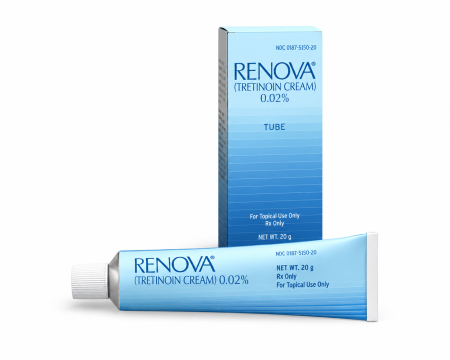
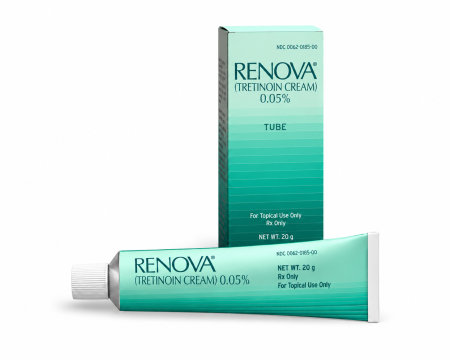
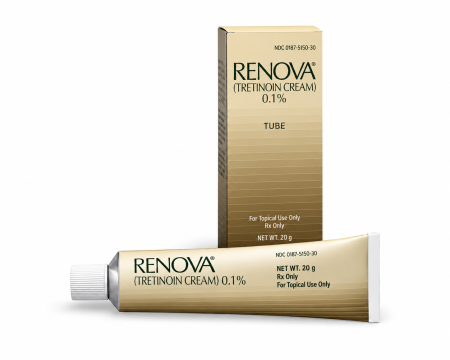
- Brand Name: Renova
- Active Ingredient: Tretinoin
- Manufacturer: Valeant Pharmaceuticals International, Inc.
Renova and its active ingredient, Tretinoin
Tretinoin binds nuclear retinoic acid receptors (RARs), influencing transcription of genes that regulate keratinocyte differentiation and proliferation. At the tissue level it accelerates desquamation, reduces cohesion of follicular epithelial cells (unclogging pores), increases dermal glycosaminoglycans, and supports collagen remodeling over time. These mechanisms explain its dual role: comedolysis and prevention of new comedones in acne, and visible texture/tone improvements in photoaged skin when paired with UV protection.
Topically applied tretinoin has minimal systemic absorption when used as directed. Irritation is concentration- and frequency-dependent and is mitigated by proper application, moisturization, and sun avoidance. Because UV exposure degrades retinoids and increases irritation, consistent broad-spectrum sunscreen is essential to maintain benefit and reduce setbacks.
Indications for use
Use is determined by your clinician according to regional labeling and individual assessment:
- Adjunctive management of photoaged skin (fine wrinkles, mottled hyperpigmentation, tactile roughness) alongside comprehensive sun protection and skincare
- Acne (acne vulgaris) — comedonal and mixed acne where a topical retinoid is appropriate
- Other dermatologist-directed uses (e.g., post-acne texture, maintenance after procedures) per clinical judgment
Treatment regimens and dosages
Use Renova exactly as prescribed. Typical adult regimens (the prescriber will individualize by skin type and tolerance):
- Starting strength & frequency: apply a pea-sized amount of 0.02% or 0.05% cream once nightly to clean, completely dry skin. For sensitive skin, start every other night for 1–2 weeks, then increase to nightly as tolerated.
- Application method: after gentle cleansing, wait 20–30 minutes until the skin is fully dry (reduces irritation). Dab onto the forehead, cheeks, chin, and nose; spread thinly to cover the entire affected area. Avoid eyelids, corners of the nose, and lip vermilion.
- Duration: texture and tone changes become noticeable after 6–12 weeks, with further gains over 3–6 months of continuous use. In acne, comedone reduction is typically evident by 8–12 weeks. Continue as maintenance per clinician advice.
Do not spot-treat individual lesions—apply thinly to the whole area prone to issues. If irritation is persistent, clinicians may reduce frequency, switch vehicle, or add supportive skincare.
Recommendations for use
- Moisturize strategically: apply a bland, fragrance-free moisturizer after tretinoin or use the “sandwich” method (moisturizer → tretinoin → moisturizer) while acclimating.
- Sun protection: use broad-spectrum SPF 30+ every morning, reapply with outdoor exposure, and wear hats/UV-protective clothing. Tretinoin is inactivated by UV and increases photosensitivity.
- Gentle routine: avoid harsh scrubs, brushes, alcohol-based toners, and fragranced products. Choose pH-balanced cleansers; pat dry.
- Layering with other actives: vitamin C serums can be used in the morning; if using benzoyl peroxide, apply at a different time of day (morning vs. night) to minimize interaction and irritation. Introduce AHA/BHA acids cautiously and not on the same nights at the beginning.
- Procedures & hair removal: stop tretinoin a few days before waxing, peels, or laser as directed to reduce skin injury; resume after the skin is fully recovered.
Missed Dose
If you forget a dose, apply it the next evening. Do not apply extra to “catch up”. Excess amounts increase irritation without improving results.
Precautions
- Irritation: erythema, peeling, stinging, or burning can occur—particularly in the first weeks or with overuse. Reduce frequency, increase moisturization, and consult your clinician if severe.
- Photosensitivity: strict sun protection is required. Avoid tanning beds.
- Eczema/rosacea-prone skin: start slowly; flares can occur.
- Concomitant irritants: use caution with products containing alpha/beta-hydroxy acids, salicylic acid, sulfur, resorcinol, alcohol, or abrasive cleansers.
- Contact lens wearers: avoid applying near the lower eyelids or lash line to prevent ocular irritation.
- Not for open or eczematous skin: do not apply to cuts, sunburn, or active dermatitis.
- Children/elderly: dermatologist-directed use; start at the lowest effective regimen.
Use during pregnancy
Topical tretinoin is not recommended during pregnancy. If you are pregnant, planning pregnancy, or breastfeeding, discuss alternatives with your clinician. Use effective contraception if applicable while on therapy and discontinue if pregnancy occurs.
Possible side effects
- Common: dryness, peeling, mild burning or stinging, redness, increased sun sensitivity, transient acne flare.
- Less common: swelling, marked irritation, post-inflammatory hyper-/hypopigmentation in darker skin types if over-irritated.
- Rare—seek medical advice: severe dermatitis with crusting, significant swelling, or persistent discoloration.
Side effects usually lessen as the skin adapts. Keeping a simple diary (application nights, products used, sun exposure, symptoms) helps fine-tune the regimen.
Tretinoin and other medicines or cosmetics
- Benzoyl peroxide: may be used but separate by time of day (e.g., benzoyl peroxide in the morning, tretinoin at night).
- AHA/BHA/retinol/peels: introduce gradually; alternating days minimizes irritation.
- Photosensitizing drugs (e.g., certain antibiotics, diuretics): enhance sun sensitivity—reinforce SPF and protective measures.
- Astringents/soaps with high alcohol content: increase dryness; prefer gentle, non-fragranced products.
Always tell your clinician about all medicines and skincare you use.
Analogs & Generics
Same active ingredient (tretinoin — international examples)
- Tretinoin cream/gel (generic) — typical strengths 0.02%, 0.025%, 0.05%, 0.1%
- Tretinoin microsphere gel (various brands/regions) — controlled-release vehicle for improved tolerability
- Also available from us: Renova Generic (tretinoin cream; strengths per current stock)
Drug analogs (different active ingredient, similar purpose — topical retinoids/skin remodeling)
- Adapalene (e.g., Differin) — retinoid for acne; often better tolerated
- Tazarotene (e.g., Tazorac/Zorac) — potent retinoid for acne/psoriasis; higher irritation potential
- Trifarotene (Aklief) — selective RAR-γ retinoid for acne (regional availability)
- Non-retinoid texture/tone options under clinician guidance: azelaic acid, alpha-hydroxy acids, topical niacinamide (adjuncts)
Storage
Store at 15–25°C (room temperature) away from heat and direct sunlight. Keep the tube tightly closed and out of reach of children. Do not freeze. Do not use after the expiry date printed on the pack.
Customer Experience – What to Expect
Many users notice a “adjustment phase” in the first 1–3 weeks (dryness, flaking, mild sting). With moisturizer support and alternate-night use, the skin typically acclimates.
- Weeks 4–8: makeup sits more evenly; small clogged pores diminish; less oiliness or roughness.
- Weeks 8–12: tone looks more uniform; fine comedones and post-acne texture improve.
- Months 3–6: visible gains in smoothness and brightness; fine lines soften when sunscreen is used daily; acne maintenance is steadier with fewer new comedones.
Consistency, sun protection, and gentle skincare are the biggest predictors of success.
FAQ
How much should I apply?
About a pea-sized amount for the whole face. More product does not work faster and increases irritation.
Can I use Renova around the eyes or on the neck?
Avoid the eyelids and lip edges. Neck use is possible but often more sensitive—start less frequently and moisturize.
When will I see results?
Texture/tone changes typically appear by 6–12 weeks; further improvement accrues over 3–6 months. Acne maintenance benefits are usually evident by 8–12 weeks.
Can I use makeup over tretinoin?
Yes. Apply moisturizer after Renova at night; in the morning use sunscreen, then makeup as usual.
What about vitamin C or acids?
Use vitamin C in the morning and tretinoin at night. Add AHA/BHA on non-tretinoin nights initially.
Is purging normal?
A temporary increase in small lesions can occur as pores clear. It usually settles within the first 4–8 weeks.
Can I wax while using Renova?
Avoid waxing on treated areas; use threading/clipping or stop tretinoin several days before and after as directed.
The best offer for Renova online on the market
Right now you can buy Renova in our online pharmacy. If you are looking for the best place to order Renova or other medicines containing tretinoin, then you have come to the right place.
Advantages of our pharmacy:
- Confidentiality. Most people prefer to keep skincare treatment private. By ordering Renova online, you avoid unnecessary face-to-face discussions.
- Price. Buying Renova online is more beneficial than purchasing at a clinic or local pharmacy.
- Quantity. Doctors often issue a prescription for one or two packs. Our pharmacy allows you to buy the required number of Renova packs to ensure an adequate supply.
- Convenience. You make a purchase at a convenient time for you, without sacrificing service or security. You do not need to make an appointment or visit a clinic.
- Information. On our website, you can find details on dosage, side effects, safe use, and other information necessary for treatment.
We work hard to provide the best possible customer service and to ensure that our medications help improve photoaged skin and support acne maintenance safely and effectively under medical supervision.









